
What does a 10 way airline manifold do?
It divides one larger air supply into ten smaller feeds, allowing multiple air stones or other aeration devices to operate from a suitable air pump or compressor.
1977 products
1977 products
Sort by:
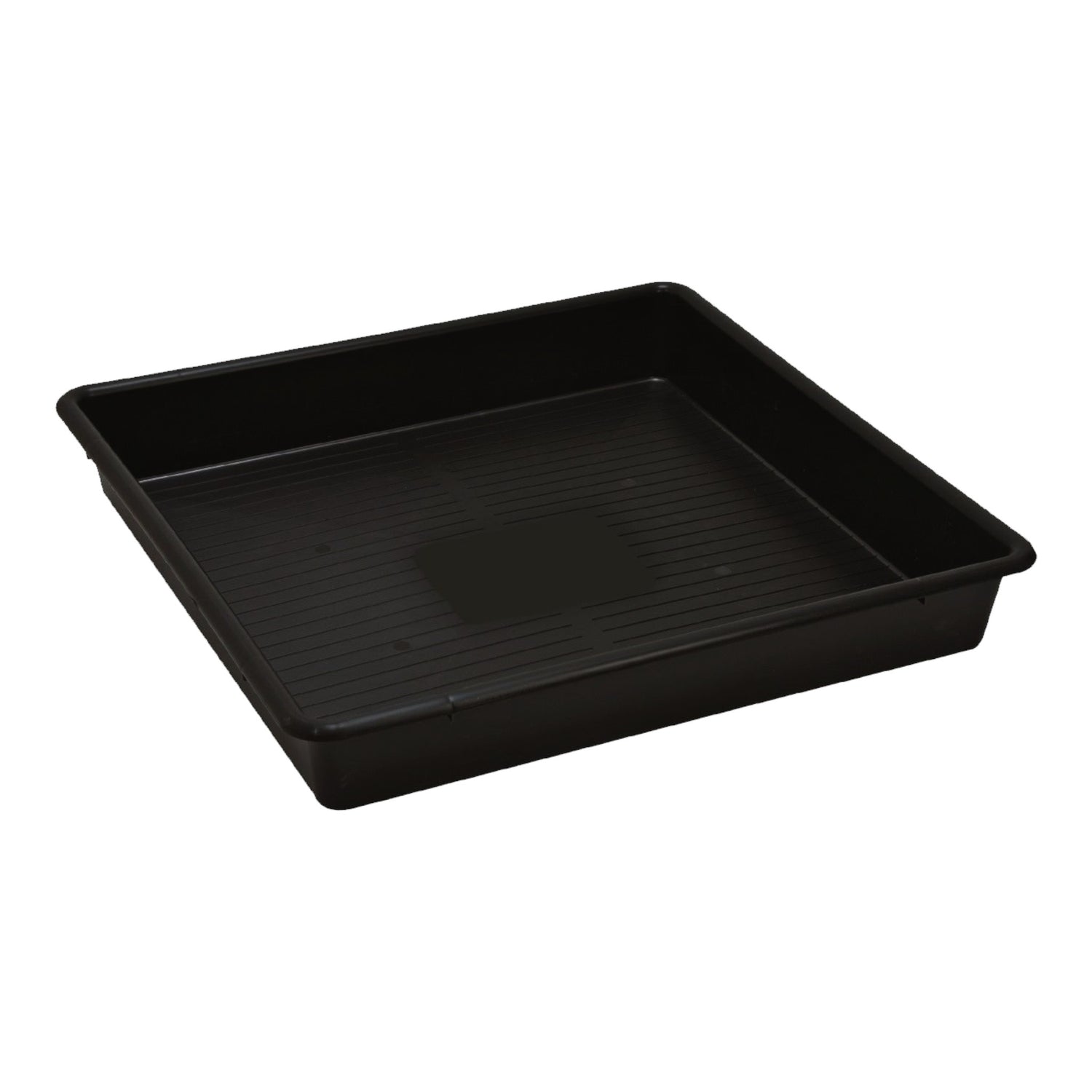
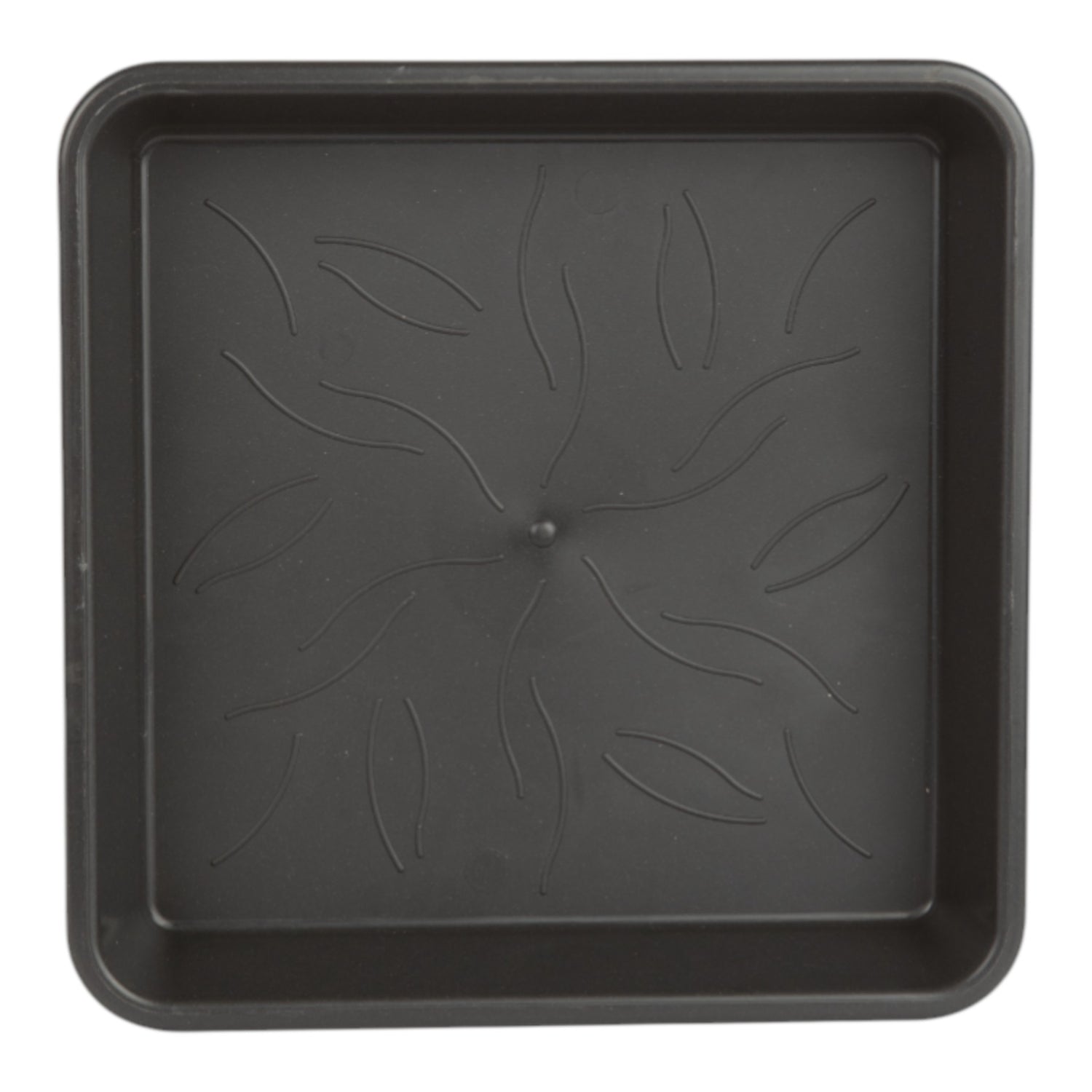
1.2m x 1.2m Square Plastic Tray
Available in two sizes – 1m x 1m and 1.2m x 1.2m – these durable plastic trays are ideal for grouping pots and planters. Designed without drainage holes, they enable bottom watering, helping plants absorb moisture as needed while keeping growing areas tidy and well-managed.
£0.47
Unit price per£0.47
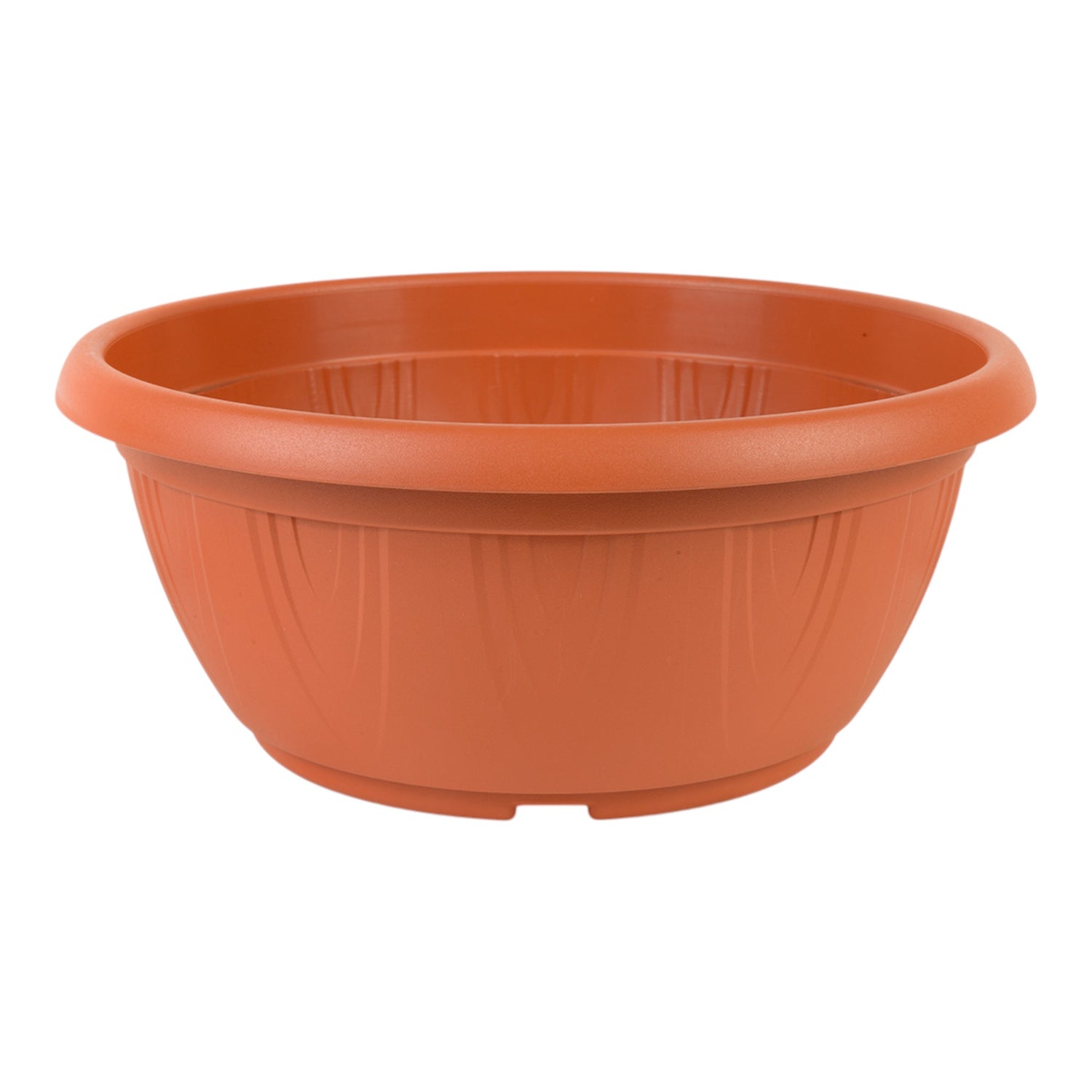
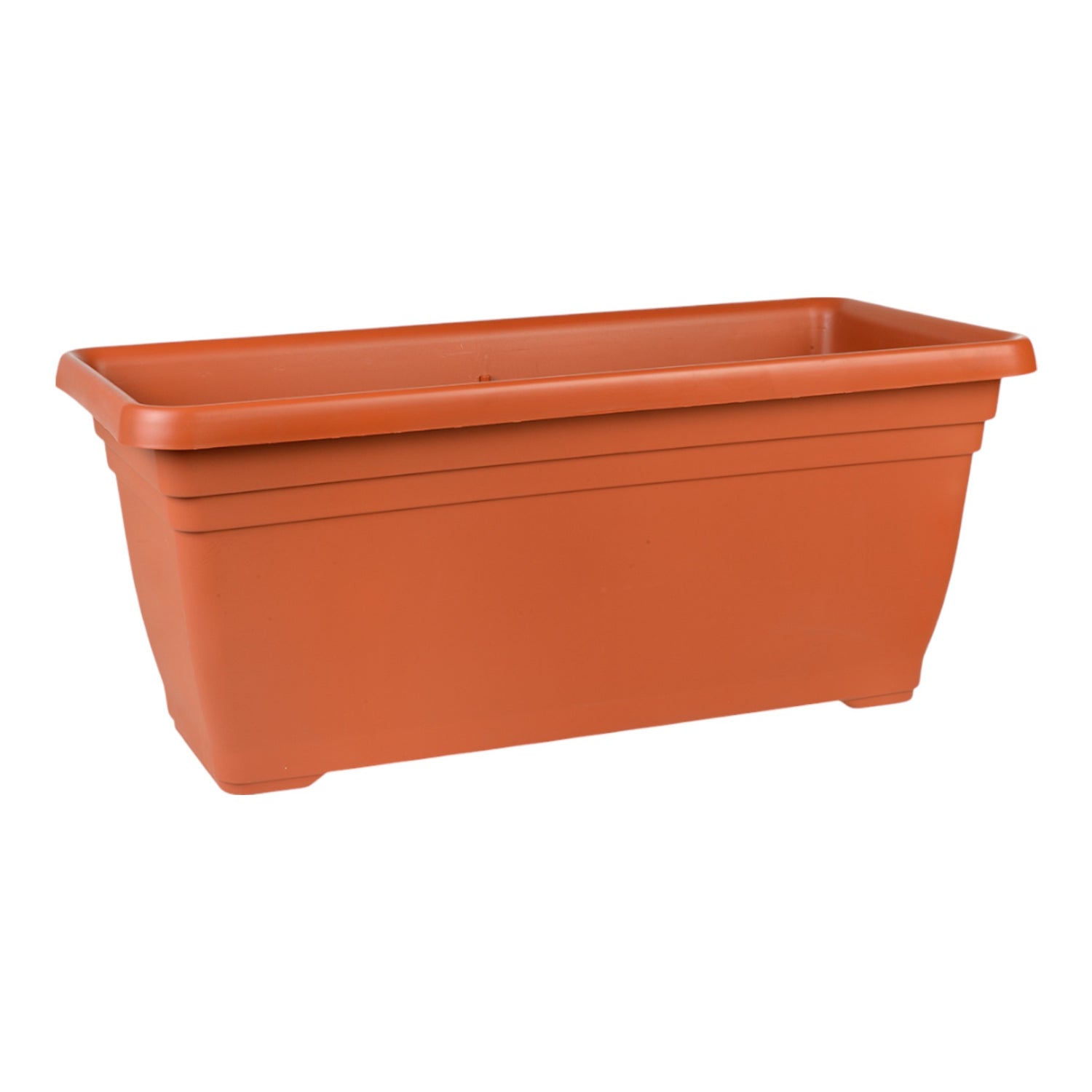
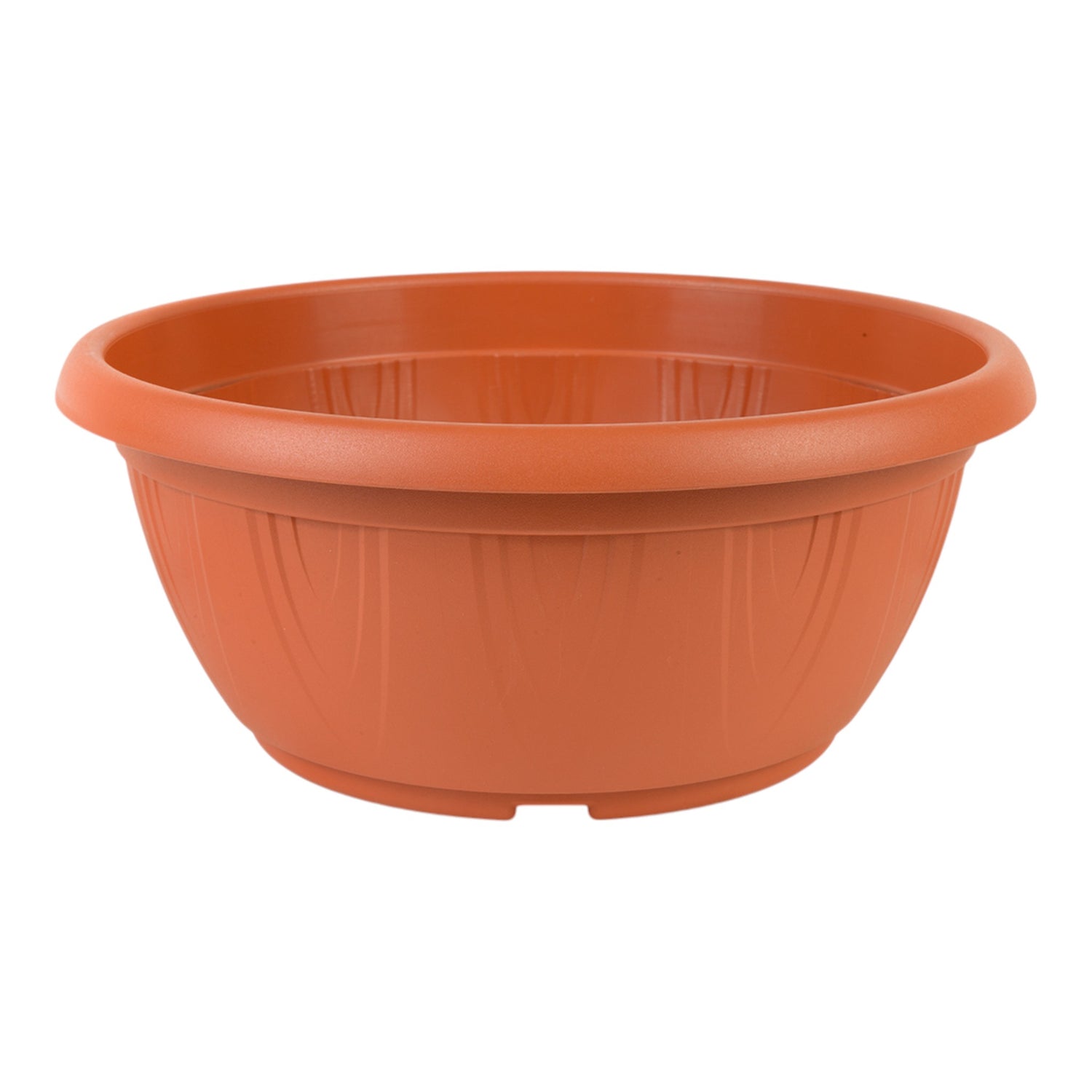
Unit price per1.9L Luna Bowl Terracotta Planter 21.5cm x 9.5cm (3000 per pallet)
Luna Bowl Terracotta Planter – Stylish, lightweight bowl planter with a smooth terracotta-effect finish. Made from Terracotta for durability and sustainability. This planters solution is designed for busy commercial environments.
Key Features for Trade
Order in bulk or contact us for trade pricing and specifications.
£1.45
Unit price per£1.45
Unit price per10 way plastic airline manifold for splitting one 8mm air supply into ten separate 4mm airline feeds.
This 10 Way Plastic Airline Manifold makes it easy to distribute air from a single larger air pump or compressor across multiple air stones, air curtains or other aeration points.
The manifold has one 8mm inlet and ten 4mm outlets, allowing a larger incoming airline to be divided into ten individual feeds. It is a simple way to build an organised multi-point aeration system without requiring a separate pump outlet for every air stone.
Particularly useful for hydroponic reservoirs and multi-pot systems, the manifold can also be used to distribute nutrient solution in suitable NFT installations.
Why use a 10 Way Airline Manifold?
What is a 10 way airline manifold used for?
An airline manifold divides the output from one larger air pump or compressor into several smaller feeds. This 10 way version provides ten 4mm outlets, making it particularly useful where several air stones or aeration devices need to operate from the same main air supply.
It can be used to aerate nutrient reservoirs, DWC systems and other hydroponic setups where oxygenation is required at multiple points.
The manifold can also be incorporated into suitable NFT systems to divide nutrient solution between multiple feeds.
How to use the 10 Way Plastic Airline Manifold
Connect the 8mm inlet to the main airline from a suitably sized air pump or compressor. Attach 4mm airline to the required outlets, then route each individual line to its air stone, air curtain or other compatible aeration device.
Keep airline runs tidy and avoid unnecessary kinks or restrictions. The airflow available at each outlet will depend on the total output of the air pump, the number of outlets being used, airline length and the resistance created by the connected air stones or diffusers.
For a larger multi-point setup, choosing an air pump with sufficient capacity is important because the pump's total air output is shared across the connected outlets.
Product details
| Product type | Air / nutrient distribution manifold |
|---|---|
| Number of outlets | 10 |
| Inlet size | 8mm |
| Outlet size | 4mm |
| Configuration | 1 inlet to 10 outlets |
| Construction | Plastic |
| Primary application | Splitting airline from an air pump or compressor |
| Typical applications | Air stones, hydroponic aeration, nutrient reservoirs, DWC & suitable NFT systems |
10 Way Plastic Airline Manifold FAQs
What does a 10 way airline manifold do?
It divides one larger air supply into ten smaller feeds, allowing multiple air stones or other aeration devices to operate from a suitable air pump or compressor.
What size connections does the 10 way manifold have?
It has one 8mm inlet and ten 4mm outlets.
What size airline fits the outlets?
The ten outlets are designed for compatible 4mm airline commonly used with hydroponic air stones and aeration equipment.
How many air stones can I connect?
The manifold provides ten individual outlets, so it can supply up to ten separate airline runs. Effective performance will depend on the output of the air pump and the resistance created by the connected equipment.
Can I use this manifold with a hydroponic air pump?
Yes. Its primary purpose is to divide the output from a suitable larger air pump or compressor between multiple airline feeds.
Is the 10 way manifold suitable for DWC?
Yes. It is useful for DWC and other hydroponic systems where a suitably sized air pump needs to supply air to several buckets, reservoirs or air stones.
Can this manifold distribute nutrient solution?
Yes. As well as dividing airline, this style of manifold can be used to distribute nutrient solution in suitable NFT systems.
Does the manifold control the airflow to each outlet?
No. This is a simple distribution manifold without individual airflow control valves.
Do I need to use all ten outlets?
No. The number of outlets used can be matched to the system, but unused outlets need to be closed off appropriately to prevent unnecessary loss of air.
£0.89
Unit price per£0.89
Unit price perPerfect for creating strong and secure connections.
Available in 4”, 5”, 6”, 8”, 10” and 12.5” sizes.
£12.16
Unit price per£12.16
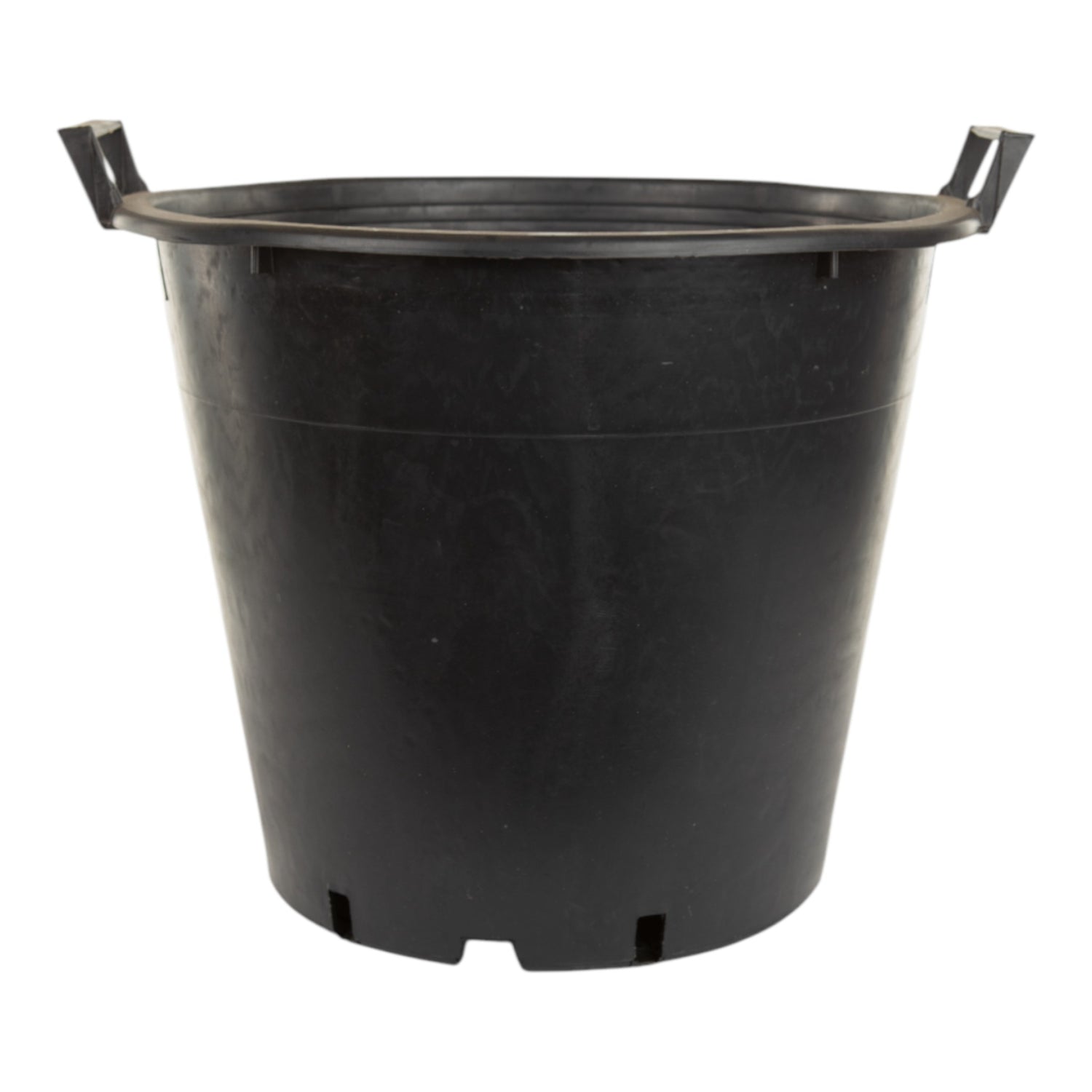
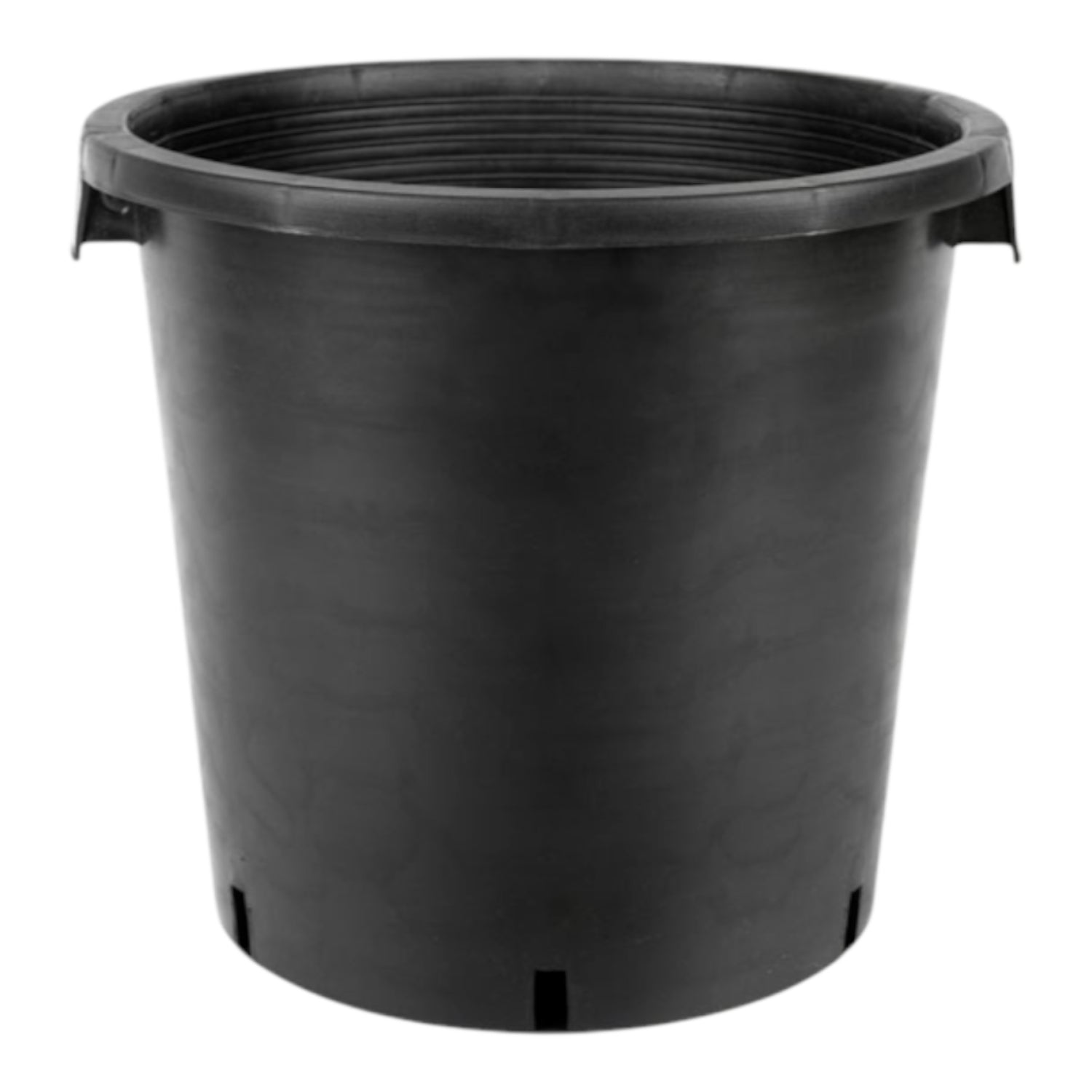
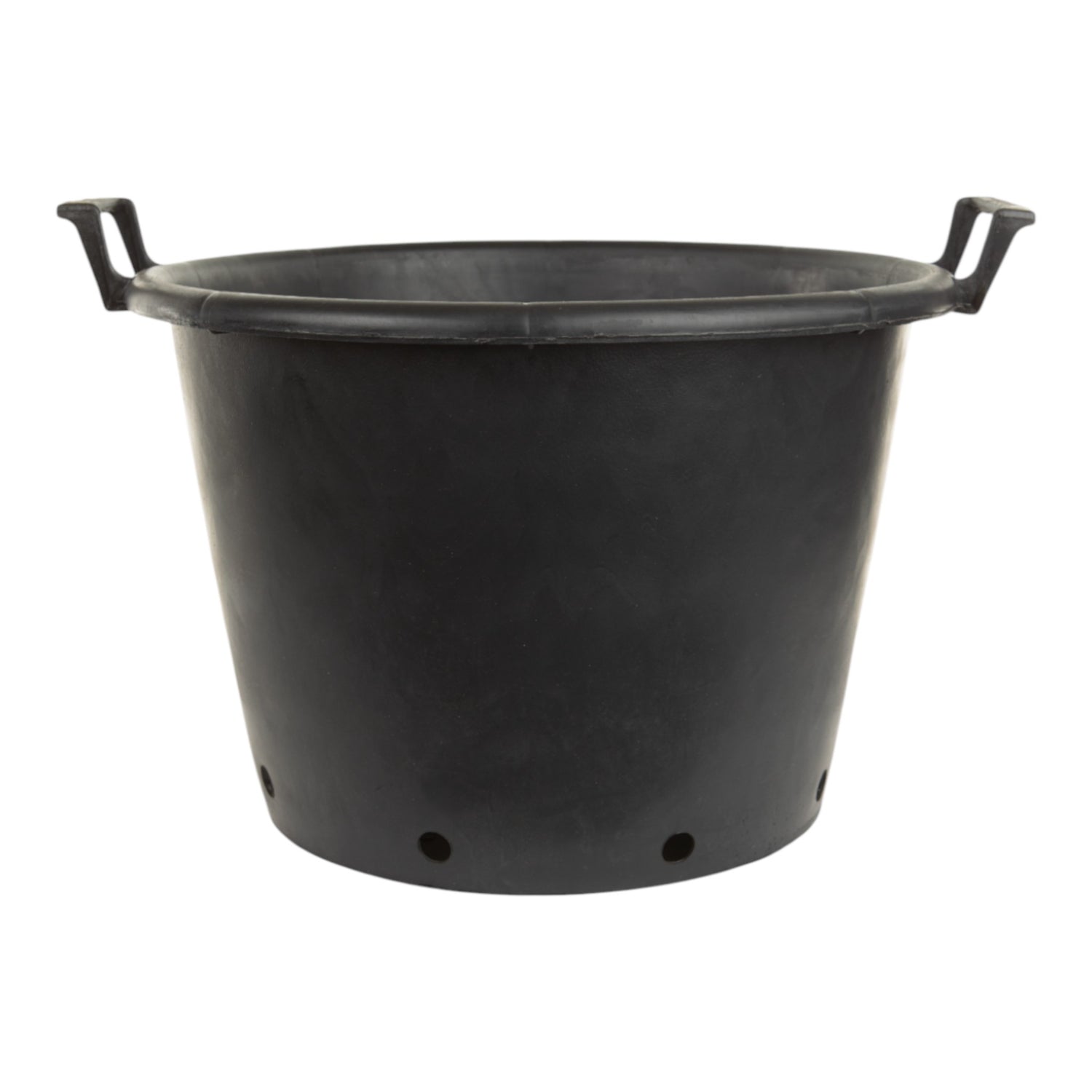
Unit price per100L Heavy Duty Tree Pot with Handles (240 per pallet)
Designed for demanding horticultural use, these heavy-duty nursery pots are moulded from durable polyethylene (PE) and come with integrated top handles for easy grip and transport. Available in sizes from 30L to 100L, they’re ideal for trees, shrubs, and large container-grown plants. Reliable, reusable, and built to last in any growing environment.
Large 100ml measuring syringe for accurately measuring and dispensing liquid plant nutrients, feeds and additives.
This 100ml Nutrient Measuring Syringe provides a convenient way to measure larger quantities of liquid when preparing plant feeds and nutrient solutions. With more capacity than smaller 10ml, 20ml and 60ml syringes, it is particularly useful when regular nutrient mixing calls for higher-volume measurements.
The graduated barrel helps growers measure the required quantity before dispensing it into water or a nutrient reservoir. Simple and practical, the 100ml syringe is a useful measuring tool for commercial growing areas, nurseries, greenhouses, grow rooms and nutrient mixing stations.
Why choose a 100ml Nutrient Measuring Syringe?
What is a 100ml Measuring Syringe suitable for?
A 100ml measuring syringe is particularly useful when preparing larger nutrient solutions or working with liquid plant feeds and compatible additives that need to be measured in quantities that would be inconvenient with a smaller syringe.
Its larger capacity makes it a practical option for commercial growers, nurseries and other horticultural users who regularly prepare feeds or nutrient reservoirs. For much smaller doses of concentrated products, a 10ml or 20ml syringe may provide more convenient control.
How to use a 100ml Nutrient Measuring Syringe
Place the syringe tip into the liquid and slowly draw back the plunger until the required quantity is shown on the graduated barrel. Remove the syringe from the container and dispense the measured liquid into the appropriate mixing vessel, water or nutrient reservoir.
Always follow the manufacturer's recommended dosage for the plant nutrient, feed or additive being measured. Take care to avoid cross-contamination between concentrated products and clean or replace measuring equipment as appropriate between different liquids.
Product details
| Product | Nutrient Measuring Syringe |
|---|---|
| Product type | Liquid measuring syringe |
| Capacity | 100ml |
| Scale | Graduated barrel |
| Typical applications | Measuring liquid plant nutrients, feeds, additives & boosters |
| Pack quantity | 10 |
100ml Nutrient Measuring Syringe FAQs
What is a 100ml syringe used for in horticulture?
A 100ml measuring syringe can be used to measure and dispense suitable liquid plant nutrients, feeds, supplements and additives when preparing nutrient solutions.
Can I use a 100ml syringe for measuring plant nutrients?
Yes. A 100ml syringe provides a convenient way to measure larger quantities of liquid plant nutrients before adding them to water or a nutrient reservoir.
Why choose a 100ml nutrient syringe?
The larger 100ml capacity is useful when regularly measuring quantities that would require several fills of a smaller syringe. This can make routine nutrient preparation quicker and more convenient.
Should I choose a 10ml, 20ml, 60ml or 100ml nutrient syringe?
Choose the syringe size that best matches the quantities you regularly measure. The 10ml and 20ml versions are useful for smaller doses, while the 60ml and 100ml syringes provide greater capacity for larger measurements.
Can I use the same syringe for different nutrients?
Take care to avoid cross-contamination between concentrated products. Clean the syringe appropriately between compatible liquids or use separate measuring equipment where necessary.
Can a 100ml syringe be used for pH Up or pH Down?
Do not assume a standard nutrient syringe is suitable for concentrated pH adjustment products. Acids and alkalis can require chemical-resistant measuring equipment, so always check compatibility with the specific product before use.
When is a measuring beaker better than a syringe?
A measuring beaker can be more convenient for larger volumes or particularly thick liquids that are difficult to draw through a syringe. A syringe is generally more useful where controlled measurement and dispensing of smaller liquid volumes are required.
How many 100ml syringes are in a pack?
The pack quantity is 10 syringes. This figure is provided for logistical and stock-planning purposes and does not mean the product must be purchased by the full pack.
100mm flat ceramic air stone for creating a wide spread of fine bubbles in hydroponic nutrient reservoirs and DWC systems.
The 100mm Round Flat Ceramic Air Stone provides effective aeration without taking up unnecessary space in the bottom of a reservoir. Its broad porous surface disperses air as many small bubbles, helping oxygenate the nutrient solution while creating useful movement within the tank.
Measuring 100mm, or approximately 4 inches, across, this compact ceramic disc sits flat on the bottom of a reservoir. Connect it to a suitable external air pump using compatible airline and air is forced through the porous stone before bubbling through the surrounding solution.
It is a practical choice for DWC buckets, hydroponic nutrient reservoirs and other systems where continuous aeration is required around the root zone.
Why choose a 100mm Flat Ceramic Air Stone?
What is a flat ceramic air stone used for?
A flat ceramic air stone acts as a submerged diffuser. Air supplied by an external pump is forced through the many pores in the ceramic body, creating a spread of small bubbles rather than releasing the air from one open airline.
As those bubbles rise through the reservoir they create movement in the nutrient solution and increase aeration. The flat disc design also keeps the diffuser low in the tank, allowing bubbles to rise through the water from near the bottom of the reservoir.
Ideal for DWC and hydroponic reservoirs
The 100mm size is particularly useful for DWC buckets and individual nutrient reservoirs where a compact diffuser with a broad bubbling surface is required.
For larger hydroponic installations, several ceramic air stones can be positioned in separate pots or reservoirs. A suitably sized air pump and manifold can then distribute air between the individual diffuser lines.
How to use the 100mm Ceramic Air Stone
Connect suitable flexible airline between the ceramic air stone and an appropriately sized external air pump. Place the air stone flat at the bottom of the reservoir, keeping the porous ceramic section submerged.
Switch on the pump and air will pass through the porous surface, producing bubbles throughout the surrounding nutrient solution. Positioning the diffuser low in the reservoir gives those bubbles more distance to travel before reaching the surface.
Keep airline runs free from kinks and restrictions that could reduce airflow. Positioning the air pump above the water level helps protect it against water siphoning back through the airline if the power is switched off.
Product details
| Product type | Ceramic air stone / air diffuser |
|---|---|
| Shape | Round flat disc |
| Diameter | 100mm / 4" |
| Diffuser material | Porous ceramic |
| Compatible airline | 4mm or 8mm internal diameter flexible airline |
| Position | Sits flat at the bottom of a reservoir or tank |
| Typical applications | Hydroponic nutrient reservoirs, DWC systems & aerated water tanks |
| Outer case quantity | 30 |
| Air pump included | No |
| Airline included | No |
100mm Ceramic Air Stone FAQs
What size is this ceramic air stone?
The round ceramic air stone measures 100mm, or approximately 4 inches, in diameter.
What does a flat ceramic air stone do?
Air from an external pump is forced through the porous ceramic surface and released into the surrounding water or nutrient solution as many small bubbles.
What size airline can I use with the 100mm air stone?
The 100mm flat ceramic air stone can accept compatible 4mm or 8mm internal-diameter flexible airline.
Is a 100mm air stone suitable for DWC?
Yes. The compact flat design is particularly useful in DWC buckets and reservoirs where continuous nutrient solution aeration is required.
Where should I position a flat air stone?
Position it flat at the bottom of the reservoir or tank. This keeps the diffuser low in the solution and allows bubbles to rise through the water above it.
Does the ceramic air stone need an air pump?
Yes. The air stone is a diffuser rather than an air source, so it needs to be connected to a suitable external air pump.
Can I use several 100mm air stones from one air pump?
Yes. Multiple air stones can be operated from one sufficiently powerful air pump. A suitable manifold can be used to divide the pump output between the individual airline runs.
What is the difference between a 100mm and 150mm ceramic air stone?
The 100mm version has a more compact 4-inch diffusing surface, making it useful for individual buckets and smaller reservoirs. The 150mm version provides a larger 6-inch diffusing area for broader bubble distribution in bigger reservoirs.
Are the air pump and airline included?
No. The ceramic air stone is supplied separately, allowing the air pump and airline to be selected to suit the aeration system.
£0.50
Unit price per£0.50
Unit price perLarge 100mm cylindrical air stone for powerful aeration and circulation in hydroponic nutrient reservoirs and DWC systems.
The 100mm Coke Can Air Stone is a large porous air diffuser designed to introduce a continuous supply of bubbles into water or hydroponic nutrient solution. Its substantial cylindrical surface provides plenty of area for dispersing air, making it particularly useful in larger reservoirs and systems that need vigorous aeration.
Connect the air stone to a suitably powerful external air pump and position it below the surface of the nutrient solution. Air passes through the porous diffuser and emerges as bubbles, increasing aeration while helping to keep the surrounding solution moving.
The 100mm version measures approximately 100mm high by 50mm in diameter, giving it a larger diffusing body than the 70mm Coke Can Air Stone. It is a useful choice for DWC systems, bubbler systems and larger hydroponic nutrient reservoirs.
Why choose a 100mm Coke Can Air Stone?
What is a 100mm Coke Can Air Stone used for?
A Coke Can Air Stone is submerged in water or nutrient solution and supplied with air from an external pump. The porous body breaks the incoming airflow into bubbles rather than releasing air from a single open airline.
This makes the 100mm version particularly useful for hydroponic nutrient tanks and DWC systems where continuous aeration is needed around submerged roots. Its larger cylindrical body also makes it a practical option for bigger reservoirs where a small air stone may not provide the desired spread of bubbles.
Ideal for larger hydroponic reservoirs
At approximately 100mm high and 50mm in diameter, this is a sizeable air diffuser designed for use with a suitable high-output air pump. Positioning the air stone towards the bottom of a reservoir allows bubbles to rise through more of the nutrient solution before reaching the surface.
Several Coke Can Air Stones can also be incorporated into a larger aeration system. A suitable airline manifold allows one sufficiently powerful air pump or compressor to supply individual air stones across several reservoirs or growing positions.
How to use the 100mm Coke Can Air Stone
Connect the air stone to compatible airline running from a suitable external air pump or compressor. Place the air stone in the nutrient tank or reservoir, keeping the porous diffuser submerged and preferably positioned towards the bottom.
Switch on the air pump and check that bubbles are being produced through the diffuser. Coke Can Air Stones require a substantial air supply, with current UK hydroponic listings specifying approximately 5 – 10 litres of air per minute, so use a pump capable of providing the required airflow.
If the air stone is being used as part of a multi-outlet system, remember that the pump's total output is shared between all connected diffusers. The air pump therefore needs to be sized for the complete aeration setup rather than for a single air stone.
Over time, deposits can restrict the porous surface and reduce bubble production. Keeping the diffuser clean and checking the airline for kinks or blockages will help maintain consistent performance.
Product details
| Product type | Air stone / air diffuser |
|---|---|
| Style | Coke can / cylindrical |
| Height | 100mm |
| Diameter | 50mm |
| Recommended airflow | Approximately 5 – 10 litres per minute |
| Operation | Connects to a suitable external air pump or compressor |
| Typical applications | Hydroponic reservoirs, nutrient tanks, DWC & bubbler systems |
| Air pump included | No |
| Airline included | No |
100mm Coke Can Air Stone FAQs
What size is the 100mm Coke Can Air Stone?
This larger Coke Can Air Stone measures approximately 100mm high and 50mm in diameter.
What does a Coke Can Air Stone do?
It takes air supplied by an external pump and disperses it through its porous surface as bubbles, helping to aerate and circulate water or hydroponic nutrient solution.
How much airflow does a Coke Can Air Stone need?
Current UK hydroponic listings specify approximately 5 – 10 litres of air per minute for Coke Can Air Stones. A suitably sized air pump should therefore be used to achieve effective aeration.
Is the 100mm Coke Can Air Stone suitable for DWC?
Yes. Its large cylindrical diffusing surface makes it particularly useful for aerating nutrient solution in deep water culture systems.
Can I use this air stone in a large nutrient reservoir?
Yes. The 100mm Coke Can Air Stone is well suited to larger hydroponic nutrient tanks and reservoirs where a substantial diffusing surface is useful.
Where should I position the air stone?
Position the air stone below the surface of the nutrient solution, preferably towards the bottom of the reservoir. This allows the bubbles to rise through more of the solution before reaching the surface.
Can I run several 100mm Coke Can Air Stones from one pump?
Yes, provided the air pump has enough total output for all of the connected air stones. A suitable airline manifold can be used to divide the main air supply between several diffusers.
Why is my air stone producing fewer bubbles?
Reduced bubble production can be caused by insufficient pump output, restricted airline or deposits building up within the porous diffuser. Check the airline and pump first, then clean the air stone if its surface has become restricted.
Does the 100mm Coke Can Air Stone include a pump or airline?
No. The air stone is supplied separately and requires compatible airline and a suitably sized external air pump or compressor.
Compact 10ml measuring syringe for accurate dosing of small quantities of liquid plant nutrients, additives and boosters.
This 10ml Nutrient Measuring Syringe provides a simple way to measure small volumes of liquid when preparing plant feeds and nutrient solutions. Its compact capacity is particularly useful when working with concentrated nutrients and additives where accurate, low-volume dosing matters.
Easy to keep alongside your nutrients and mixing equipment, the syringe allows growers to draw up the required quantity before dispensing it into water or a nutrient reservoir. It is a useful everyday measuring tool for grow rooms, propagation areas, greenhouses and general horticultural use.
Why choose a 10ml Nutrient Measuring Syringe?
What is a 10ml Measuring Syringe suitable for?
A 10ml measuring syringe is particularly useful when working with concentrated plant nutrients, root stimulants, boosters and other compatible liquid additives that are used in relatively small quantities.
Its smaller capacity provides good control for low-volume measurements and can be more convenient than using a larger syringe, measuring cup or jug. This makes it a useful choice for hydroponic growing, propagation, greenhouse production and general horticultural feeding.
How to use a 10ml Nutrient Measuring Syringe
Place the syringe tip into the liquid and slowly draw back the plunger until the required quantity is shown on the graduated barrel. Remove the syringe from the container and dispense the measured liquid into the appropriate mixing vessel, water or nutrient reservoir.
Always follow the dosage instructions supplied with the nutrient or additive being measured. Take care to avoid cross-contamination between concentrated products and clean or replace measuring equipment as appropriate between different liquids.
Product details
| Product | Nutrient Measuring Syringe |
|---|---|
| Product type | Liquid measuring syringe |
| Capacity | 10ml |
| Scale | Graduated barrel |
| Typical applications | Measuring liquid plant nutrients, feeds, additives & boosters |
| Pack quantity | 100 |
10ml Nutrient Measuring Syringe FAQs
What is a 10ml syringe used for in horticulture?
A 10ml measuring syringe is useful for measuring and dispensing small quantities of suitable liquid plant nutrients, feeds, supplements and additives when preparing nutrient solutions.
Can I use a 10ml syringe for measuring plant nutrients?
Yes. The compact 10ml capacity is particularly useful when nutrients or additives need to be measured in relatively small quantities before being added to water or a nutrient reservoir.
Is a 10ml syringe suitable for concentrated nutrients?
A 10ml syringe can be particularly convenient for concentrated liquid nutrients and additives with low application rates, as smaller volumes can be measured more easily than with a large measuring jug.
Should I choose a 10ml, 20ml or 60ml nutrient syringe?
Choose the size that best matches the quantities you regularly measure. A 10ml syringe is useful for smaller doses, while 20ml and 60ml syringes provide greater capacity when larger quantities of liquid need to be measured.
Can I use the same syringe for different nutrients?
Take care to avoid cross-contamination between concentrated products. Clean the syringe appropriately between compatible liquids or use separate measuring equipment where necessary.
Can a 10ml syringe be used for pH adjustment liquids?
Only use measuring equipment that is compatible with the liquid being handled. Concentrated acids and alkalis can require chemical-resistant equipment, so check the instructions for the specific pH adjustment product before use.
How many 10ml syringes are in a pack?
The pack quantity is 100 syringes. This figure is provided for logistical and stock-planning purposes and does not mean the product must be purchased by the full pack.
£46.76
Unit price per£46.76
Unit price per110L Vita Terracotta Planter 100cm x 45cm x 40cm (90 per pallet)
Vita Terracotta Planter Robust rectangular trough with a classic terracotta finish. Made from Terracotta for durability and sustainability. This planters solution is designed for busy commercial environments.
Key Features for Trade
Order in bulk or contact us for trade pricing and specifications.
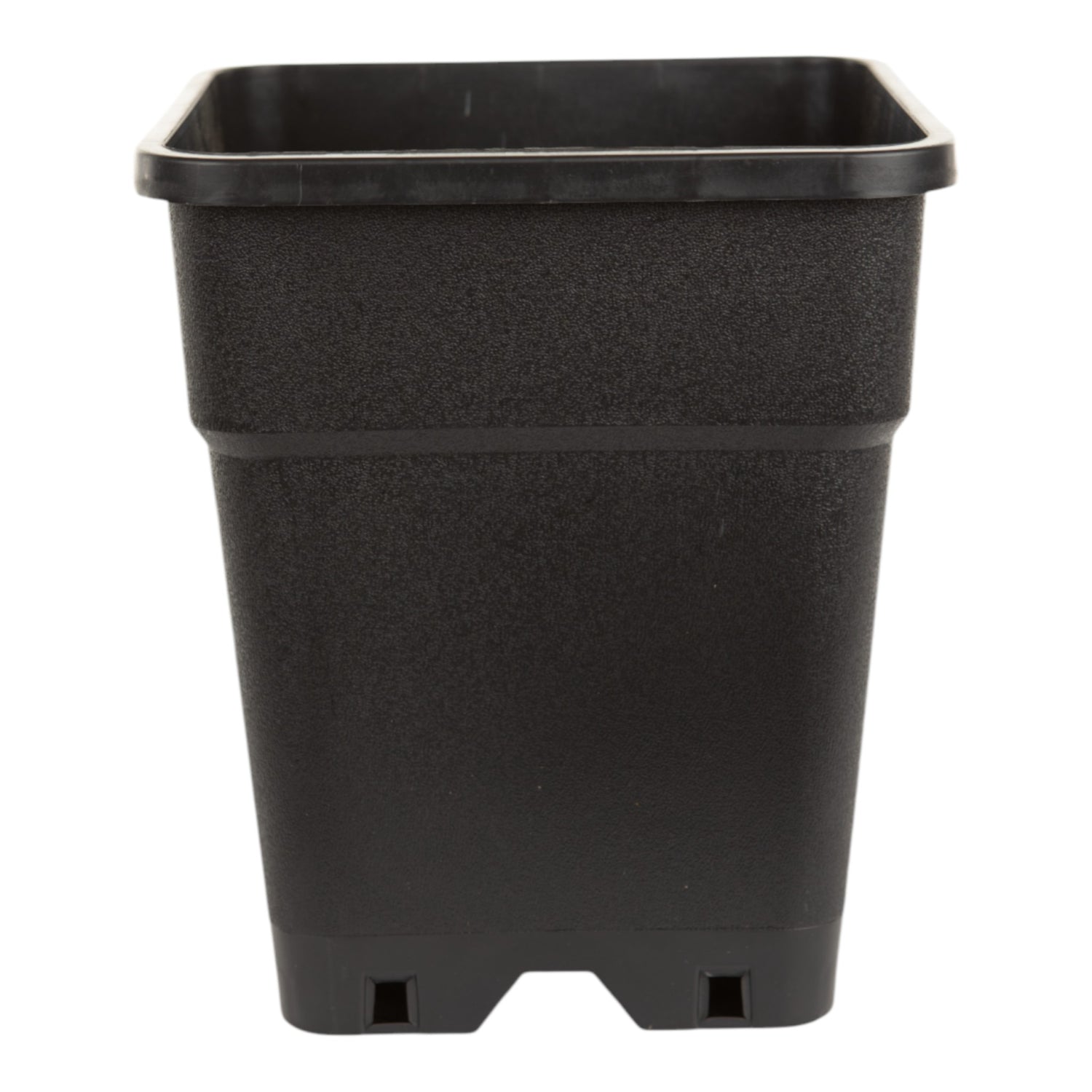
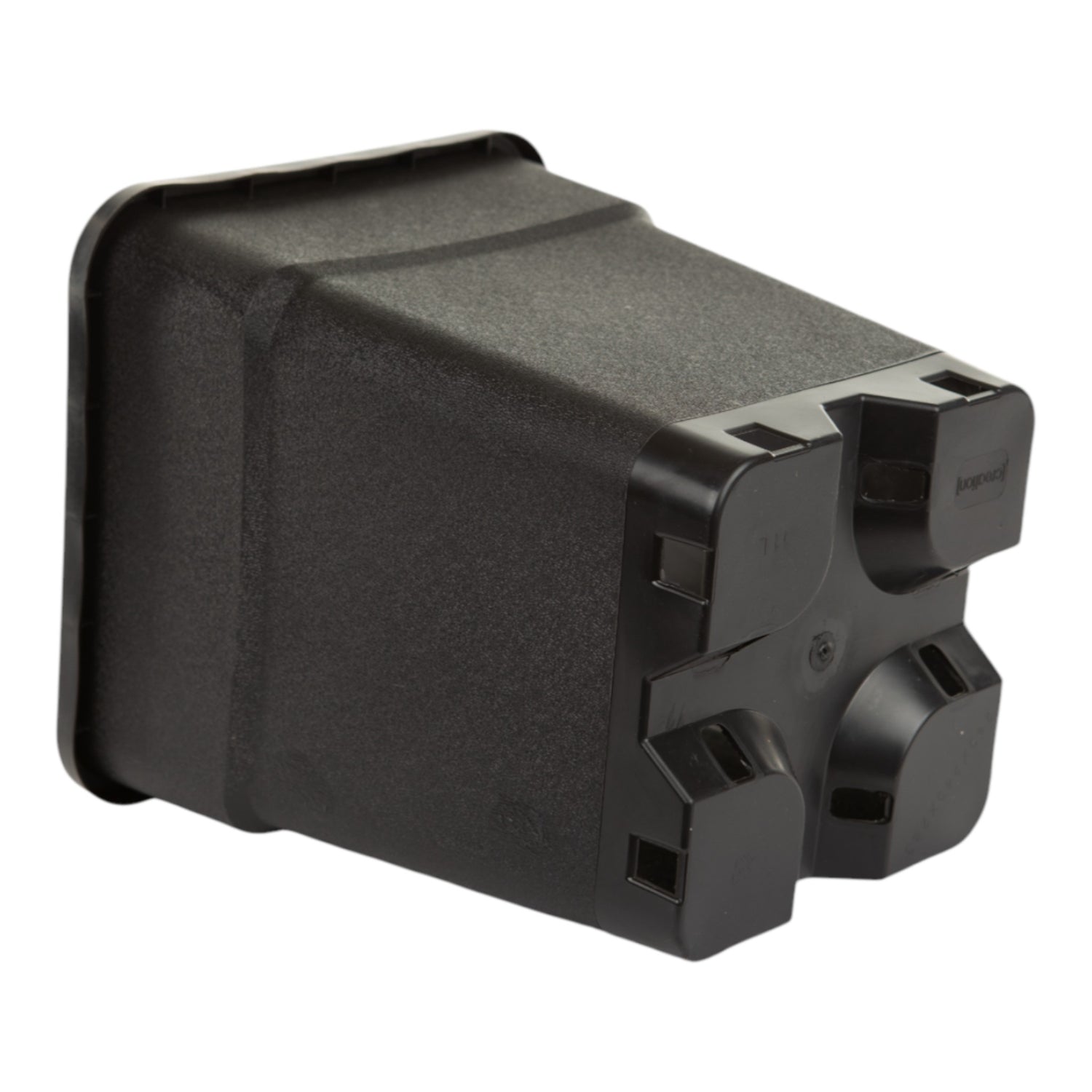
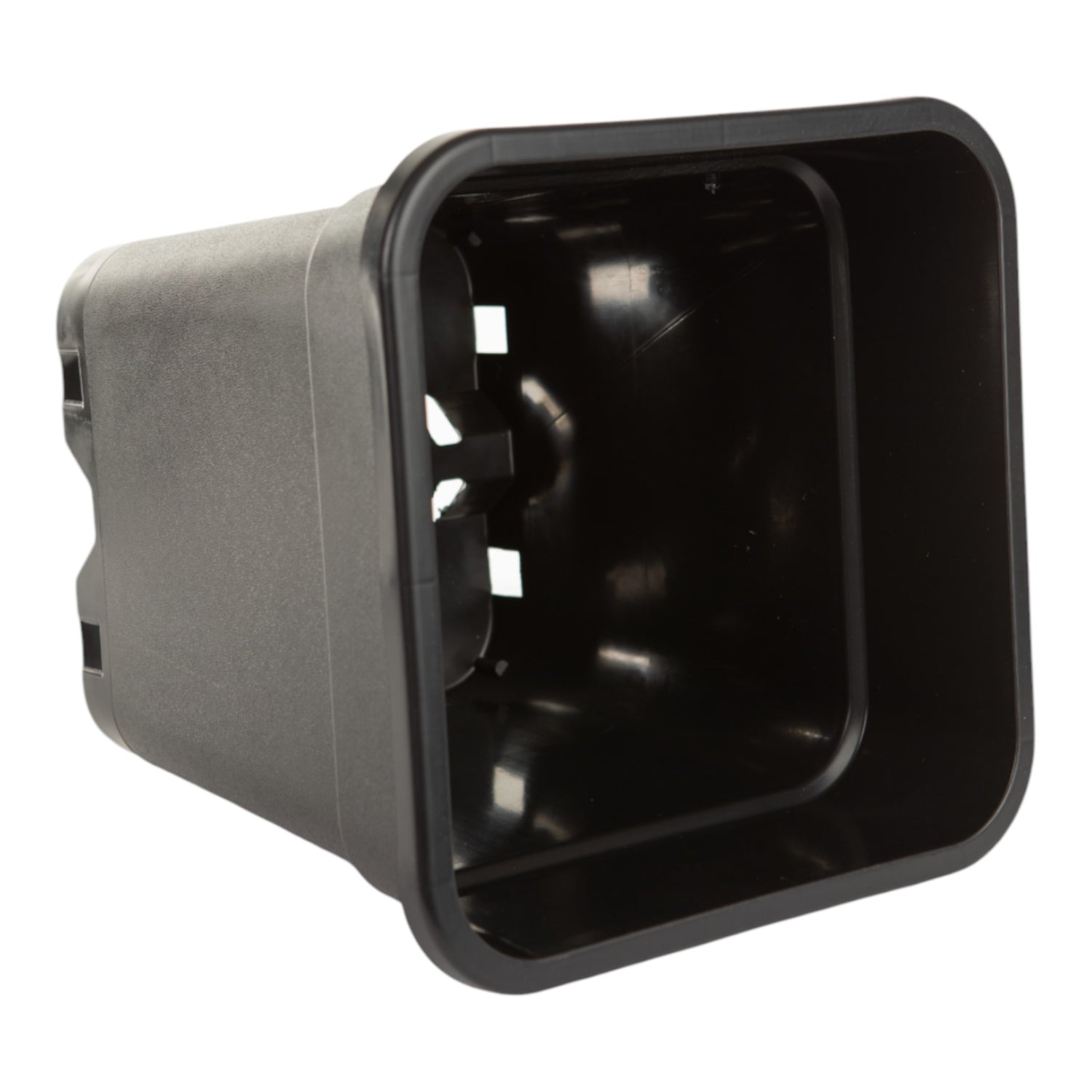
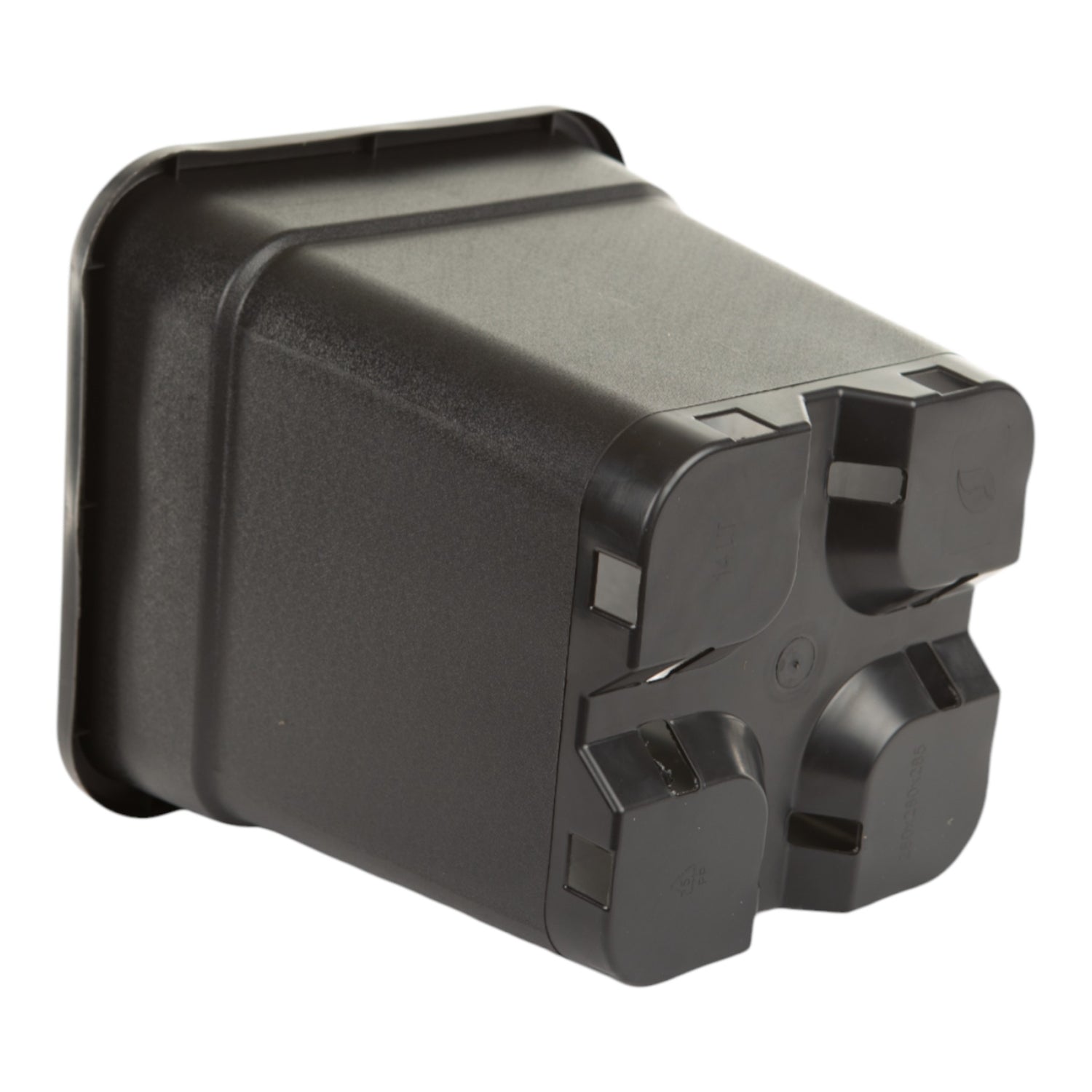
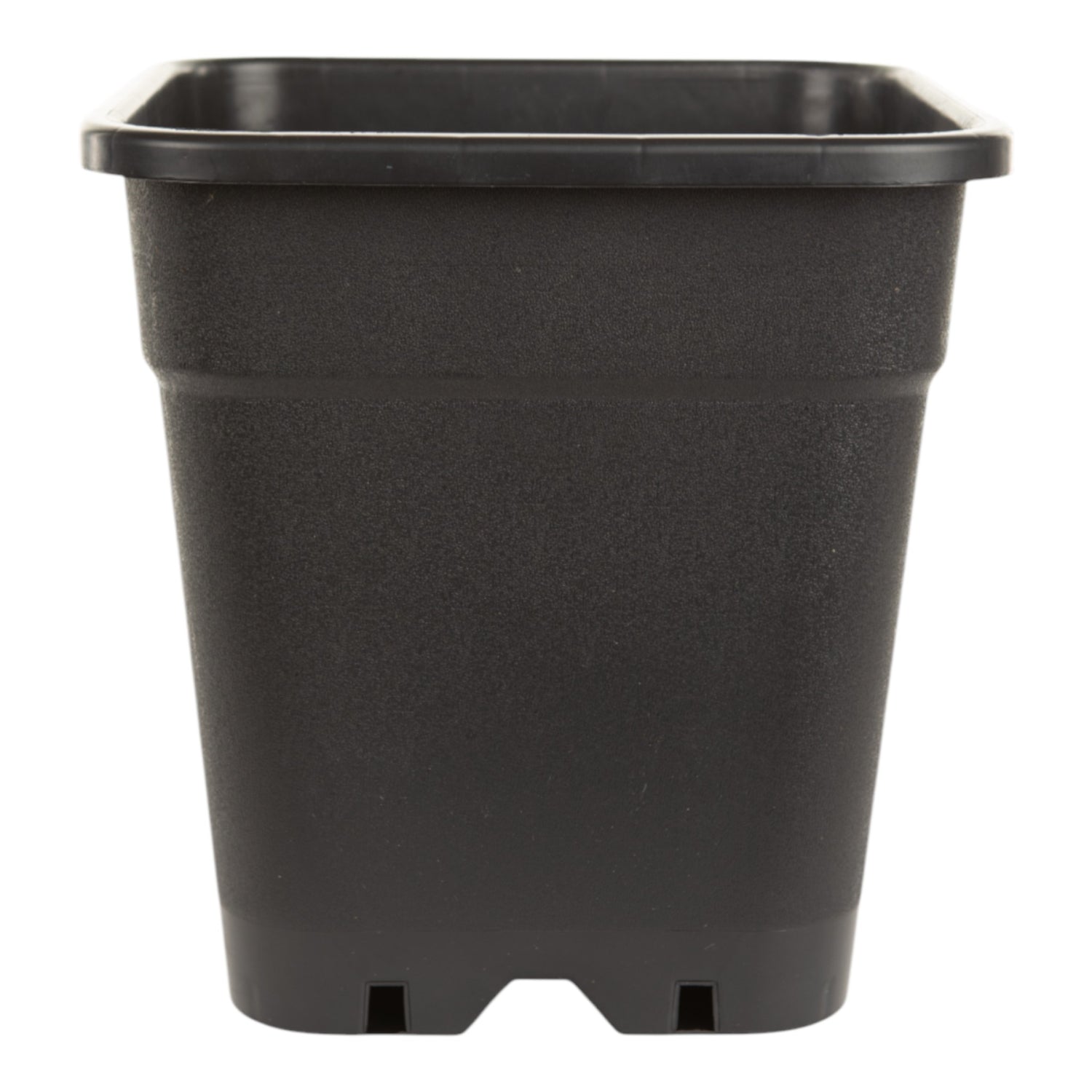
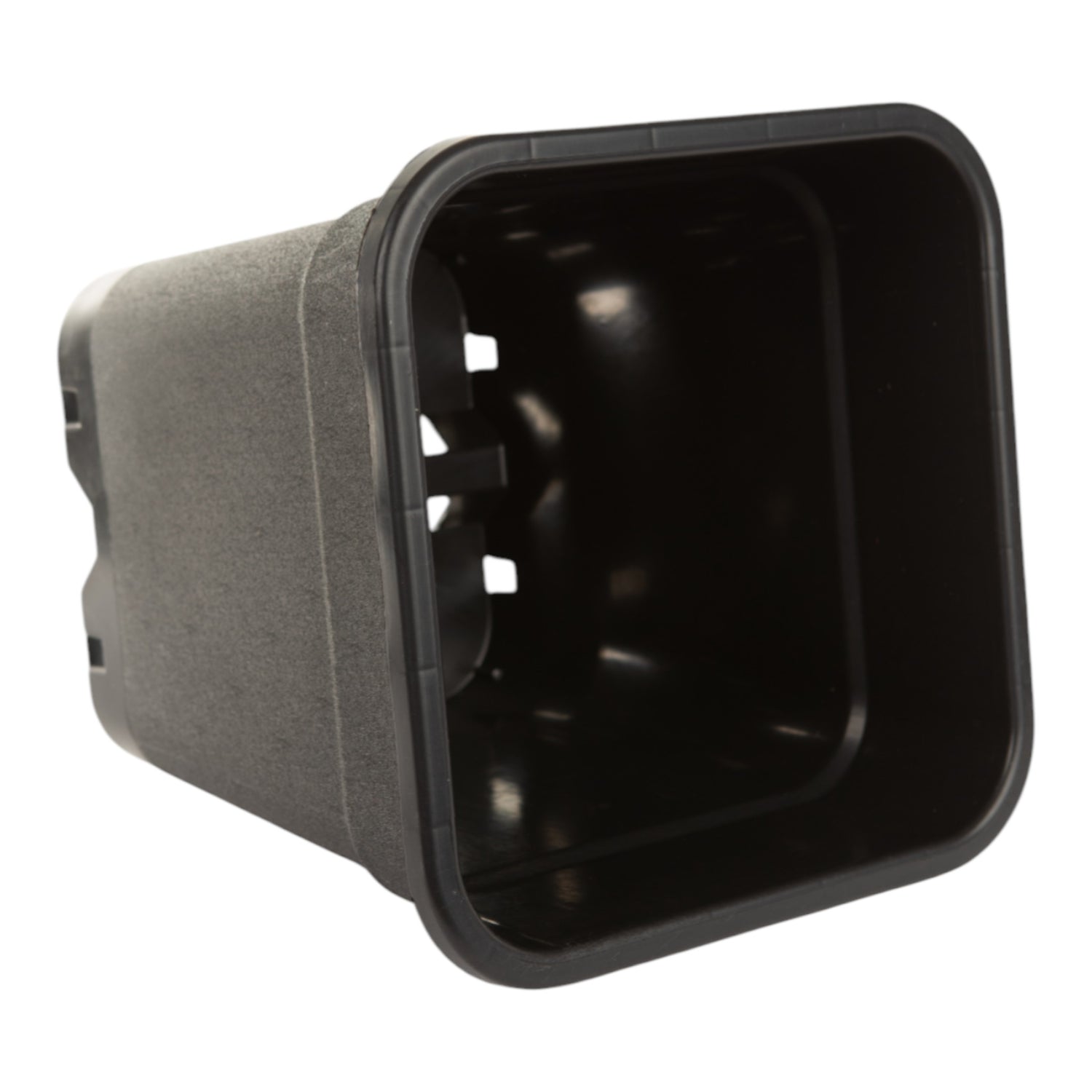
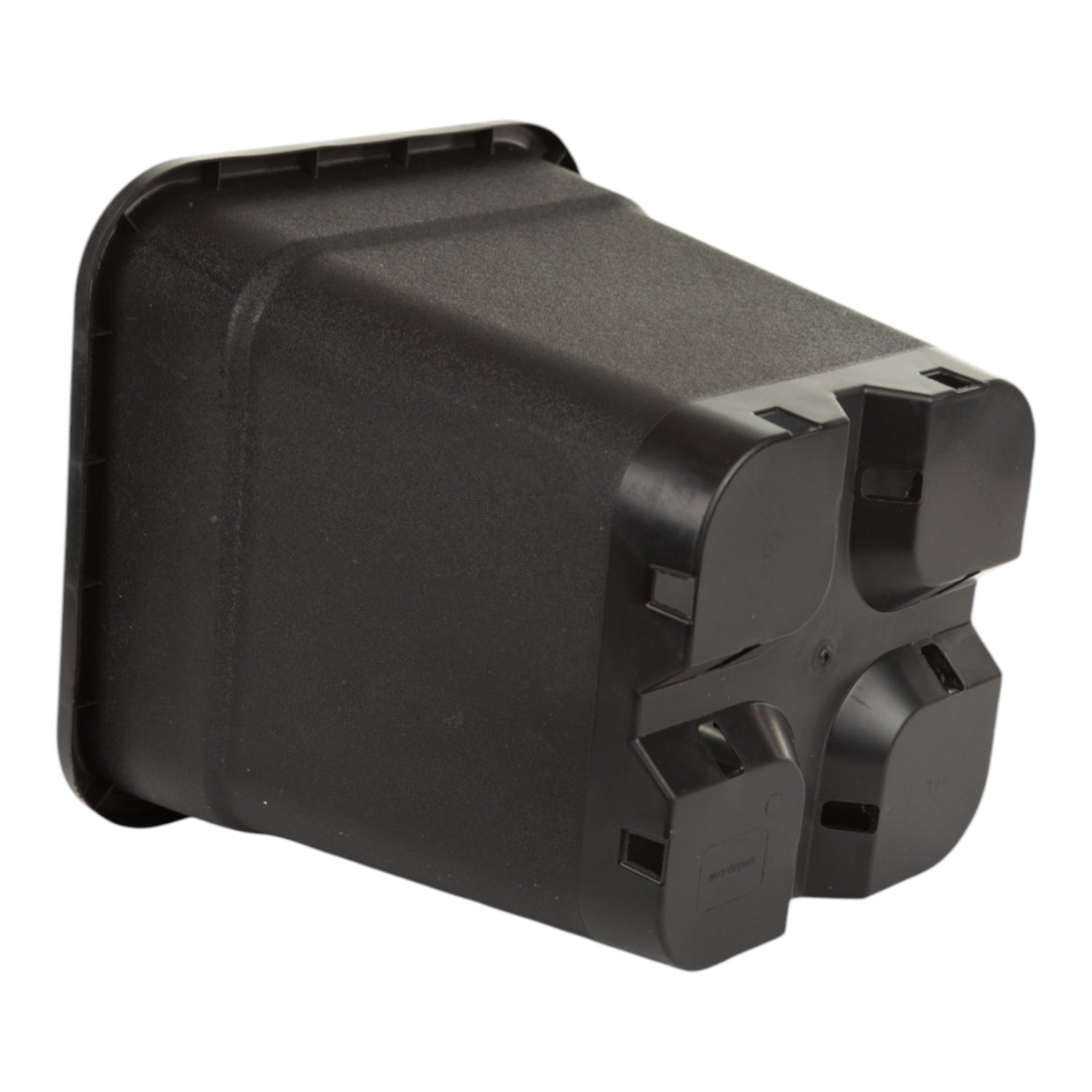
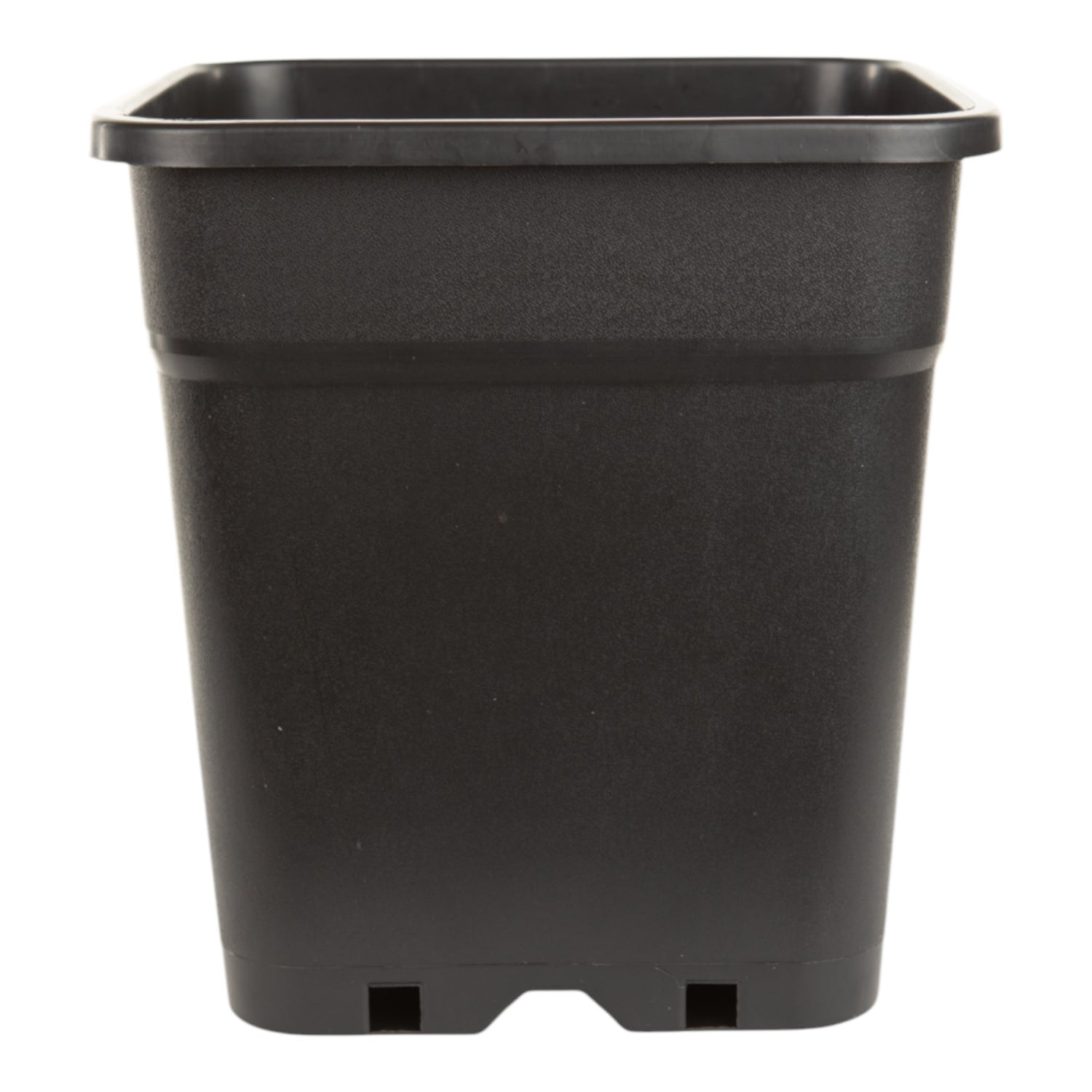
11L Square Pot
These high-quality square container pots are available in four practical sizes – 11L, 14L, 18L, and 25L – offering versatility for a wide range of horticultural applications. Manufactured from durable recycled plastic, they are super sturdy and built to last, even in demanding growing environments. Ideal for nursery stock, shrubs, and larger plants, their square shape maximises space efficiency on benches and pallets while supporting strong, healthy root development.
£49.99
Unit price per£49.99
Unit price per
£0.99
Unit price per£0.99
Unit price perPerfect for creating strong and secure connections.
Available in 4”, 5”, 6”, 8”, 10” and 12.5” sizes.
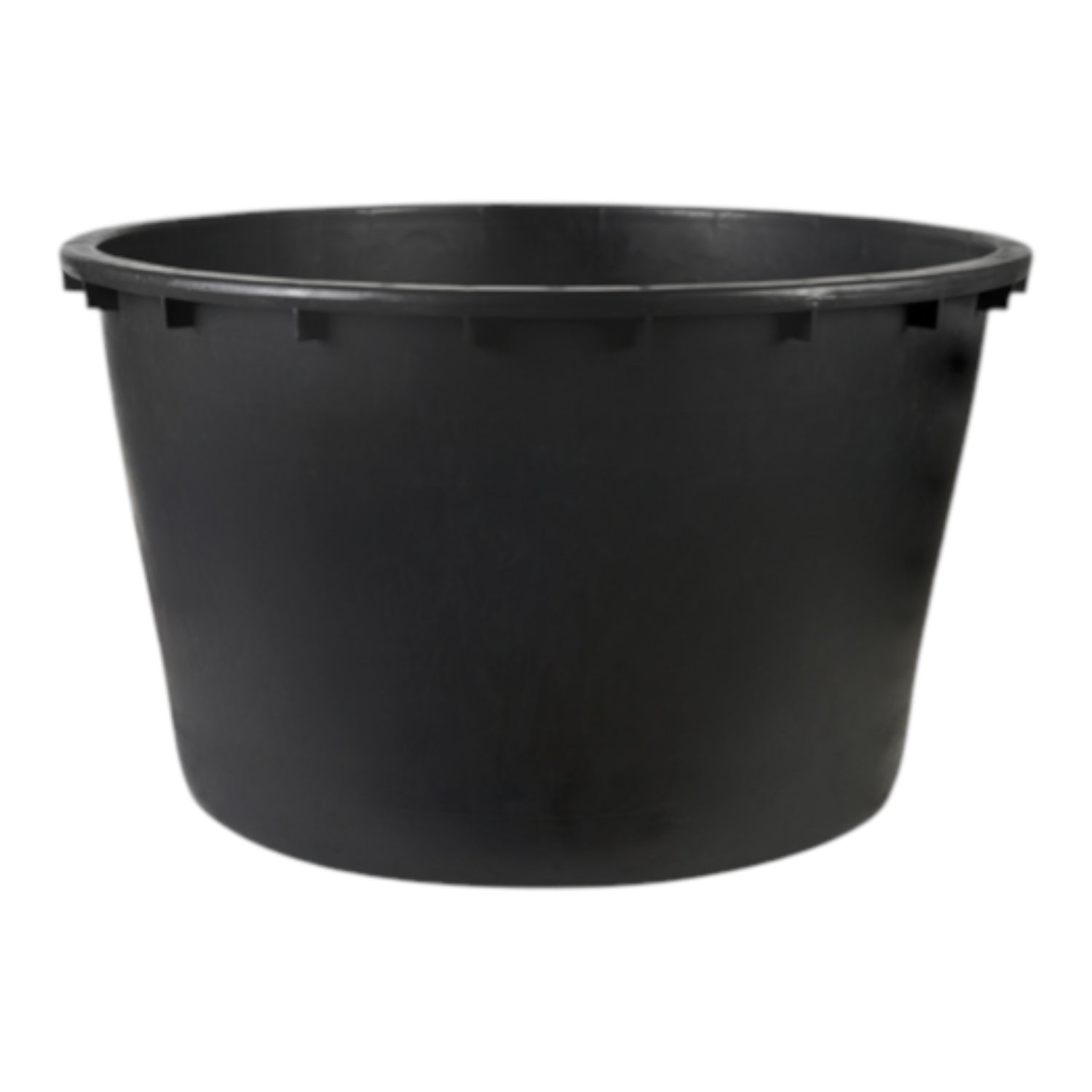
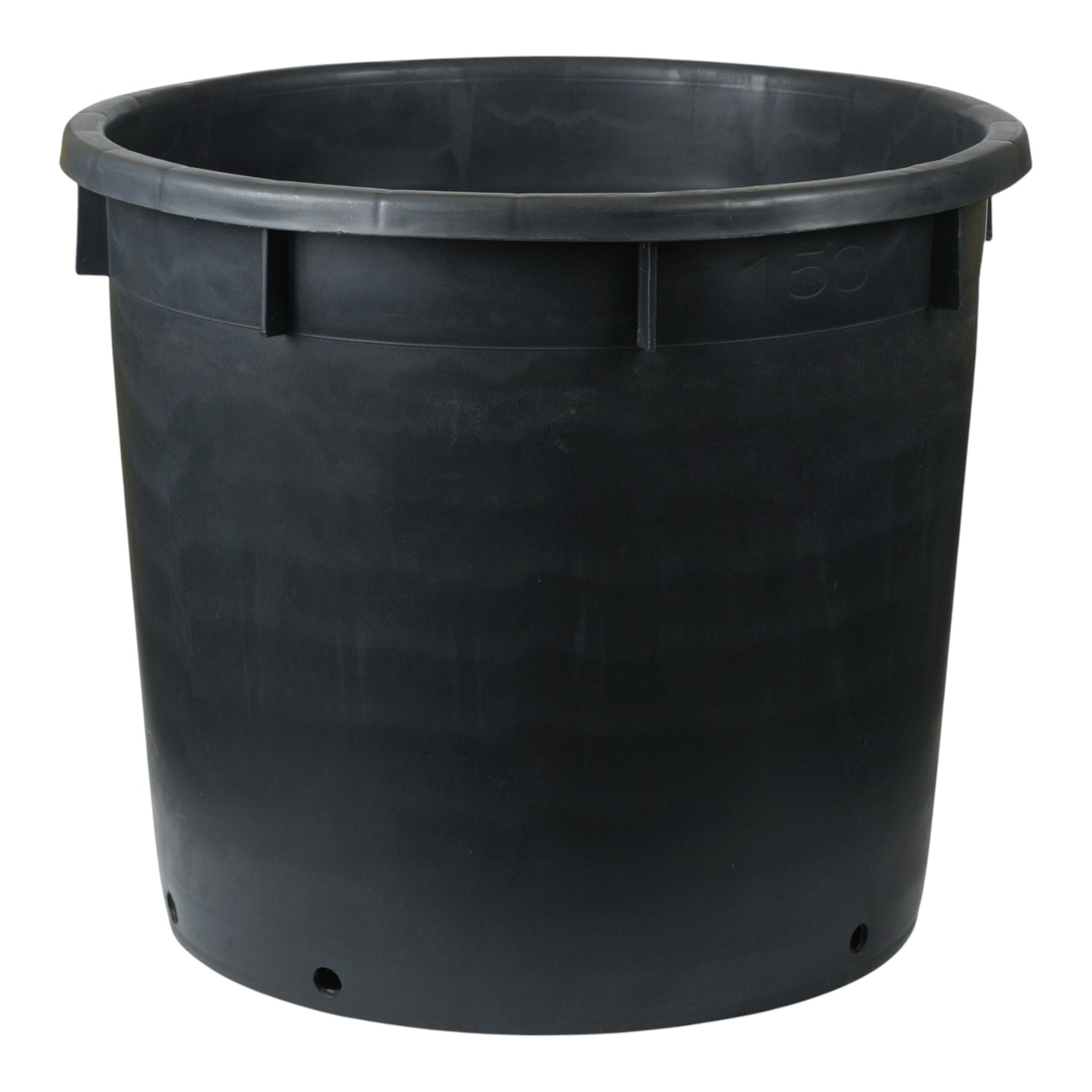
120L Nursery Tub
Robust and versatile, these large nursery tubs are manufactured from durable polyethylene (PE), offering reliable performance for large trees, specimen plants, or intensive nursery applications. Designed without handles, they maximise volume while remaining stackable and efficient to move. Available in 120L, 150L, 240L, 375L, 525L, and 750L capacities for flexible use across a wide range of horticultural settings.
13mm (½") female threaded tap connector for adding a male quick-connect hose outlet to compatible irrigation and watering fittings.
This 13mm Female Threaded Tap Connector provides a convenient connection between compatible female-threaded watering points and standard quick-connect hose fittings. The threaded end screws onto a corresponding male connection, while the opposite end provides a male click-on outlet for a compatible female hose connector.
Compact and easy to incorporate into a watering setup, it is a useful irrigation accessory for connecting hose systems to compatible threaded outlets, fittings and other water-supply components.
Why choose a 13mm Female Threaded Tap Connector?
What is a 13mm female threaded tap connector used for?
This connector is used where a female threaded fitting is required on one side and a male quick-connect hose outlet is needed on the other. Once fitted to a compatible male threaded connection, a corresponding female click-on hose connector can be attached to the outlet.
It is particularly useful for horticultural irrigation and general watering setups where threaded components need to interface with convenient quick-connect hose fittings.
How to use a 13mm Female Threaded Tap Connector
Screw the female threaded end onto the corresponding compatible male threaded connection and secure it appropriately. The male quick-connect outlet can then be connected to a compatible female click-on hose fitting.
Once installed, turn on the water supply and inspect the threaded and quick-connect joints to make sure they are securely fitted and operating without leaks.
Product details
| Product | Female Threaded Tap Connector |
|---|---|
| Product type | Threaded irrigation & hose adaptor |
| Thread size | 13mm (½") |
| Thread connection | Female |
| Outlet connection | Male quick-connect |
| Configuration | Female thread to male quick-connect |
| Colour | Green |
| Typical applications | Horticultural irrigation, watering systems & quick-connect hose setups |
13mm Female Threaded Tap Connector FAQs
What is a female threaded tap connector?
It is an adaptor that screws onto a compatible male threaded fitting and provides a male quick-connect outlet for connecting compatible hose fittings.
What size is this threaded hose connector?
This version is the 13mm (½") size.
Is the threaded connection male or female?
The threaded side of this connector is female, so it is designed to screw onto a corresponding compatible male threaded connection.
What is the connection on the other end?
The opposite end provides a male quick-connect outlet designed to accept a compatible female click-on hose connector.
Does 13mm mean this connector takes 13mm hose directly?
No. On this fitting, 13mm refers to the threaded connection size rather than a barbed connection for inserting directly into 13mm hose. The opposite end is a male quick-connect hose fitting.
Can this connector be used for horticultural irrigation?
Yes. It is useful in compatible horticultural irrigation and watering systems where a threaded fitting needs to connect to quick-connect hose equipment.
Can I leave the threaded adaptor fitted and disconnect the hose?
Yes. The quick-connect end allows a compatible female hose connector to be disconnected while the threaded adaptor remains fitted to the water or irrigation connection.
Is this the same as a 13mm barbed hose connector?
No. A 13mm barbed connector is designed to connect directly to compatible hose or irrigation pipe. This fitting combines a female threaded connection with a male quick-connect hose outlet.
14L Reinforced Nursery Pot (600 per pallet)
Built for heavy-duty nursery use, these reinforced polyethylene (PE) pots feature strong side handles for secure grip and easy lifting. Strategically placed ventilation holes improve drainage and airflow, supporting healthy root development. Available in 14L, 17.5L, 23L, and 30L, they are ideal for trees, shrubs, and other demanding plants. Designed for long-term use in commercial growing environments.
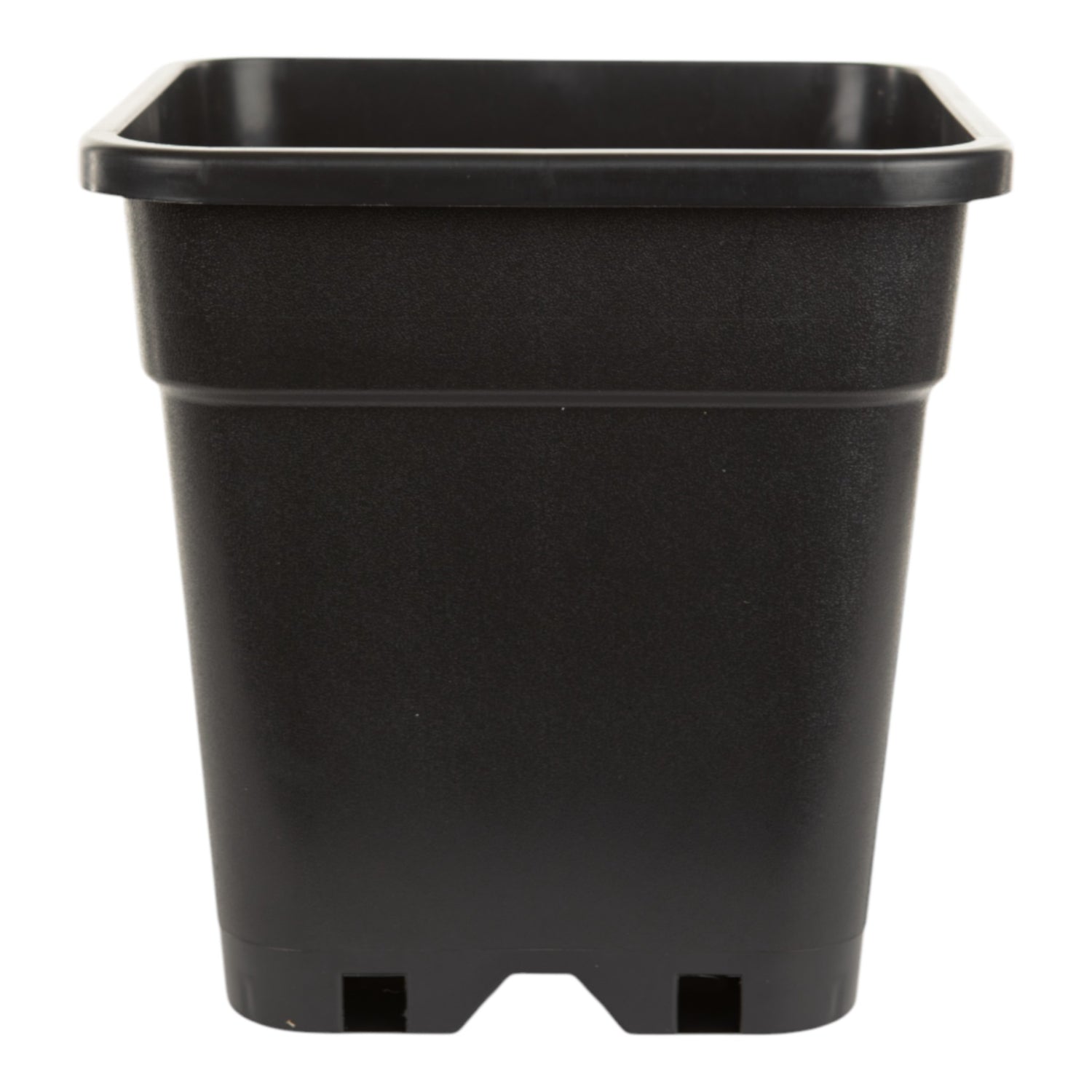
14L Square Pot
These high-quality square container pots are available in four practical sizes – 11L, 14L, 18L, and 25L – offering versatility for a wide range of horticultural applications. Manufactured from durable recycled plastic, they are super sturdy and built to last, even in demanding growing environments. Ideal for nursery stock, shrubs, and larger plants, their square shape maximises space efficiency on benches and pallets while supporting strong, healthy root development.
150L Nursery Tub
Robust and versatile, these large nursery tubs are manufactured from durable polyethylene (PE), offering reliable performance for large trees, specimen plants, or intensive nursery applications. Designed without handles, they maximise volume while remaining stackable and efficient to move. Available in 120L, 150L, 240L, 375L, 525L, and 750L capacities for flexible use across a wide range of horticultural settings.
£3.49
Unit price per£3.49
Unit price per150mm flat ceramic air stone for producing a wide spread of fine bubbles across hydroponic nutrient reservoirs and DWC systems.
The 150mm Round Flat Ceramic Air Stone provides a simple way to increase aeration and movement throughout a hydroponic nutrient solution. Its broad, porous ceramic surface releases air as many small bubbles, spreading aeration over a much wider area than a compact ball-style air stone.
At 150mm or 6 inches in diameter, the disc sits flat at the bottom of a reservoir or tank. Connect the 4mm inlet to a suitable air pump using compatible airline and the incoming air is distributed through the porous ceramic body.
It is particularly useful for DWC systems, hydroponic nutrient reservoirs and other growing systems where continuous aeration helps keep the solution moving around the root zone.
Why choose a 150mm Flat Ceramic Air Stone?
What is a flat ceramic air stone used for?
A flat ceramic air stone is a submerged diffuser that takes air from an external pump and distributes it through thousands of small pores. Instead of releasing air from a single open airline, the ceramic surface produces a broad spread of bubbles across the reservoir.

The 150mm disc format is particularly useful where you want aeration distributed across a wider area. Its low, flat shape allows the air stone to sit at the bottom of the tank while bubbles rise through the nutrient solution above it.
Ideal for DWC and nutrient reservoirs
In deep water culture systems, roots spend extended periods in nutrient solution, making active aeration an important part of the setup. A flat air stone positioned beneath the root zone creates a continuous stream of bubbles while helping keep the nutrient solution moving.
The 150mm size is also well suited to standalone nutrient reservoirs and other hydroponic tanks where a broader diffusing surface is preferred to a small individual air stone.
How to use the 150mm Ceramic Air Stone
Connect compatible 4mm airline to the inlet on the side of the air stone, then connect the other end to a suitably sized external air pump. Place the ceramic disc flat at the bottom of the reservoir and keep the porous section submerged.
Once the pump is switched on, air passes through the ceramic body and bubbles rise through the surrounding water or nutrient solution.
Keep the airline free from kinks and restrictions. For added protection against water travelling back towards the pump when it is switched off, the air pump can be positioned above the water level or a suitable non-return valve can be incorporated into the airline.
Product details
| Product type | Ceramic air stone / air diffuser |
|---|---|
| Shape | Round flat disc |
| Diameter | 150mm / 6" |
| Airline inlet | 4mm |
| Diffuser material | Porous ceramic |
| Position | Sits flat in the bottom of a reservoir or tank |
| Typical applications | Hydroponic nutrient reservoirs, DWC systems & aerated water tanks |
| Outer case quantity | 30 |
| Air pump included | No |
| Airline included | No |
150mm Ceramic Air Stone FAQs
What size is this ceramic air stone?
The air stone is 150mm, or approximately 6 inches, in diameter and has a flat circular design.
What size airline does the 150mm air stone use?
This 150mm version has a 4mm inlet for connecting compatible airline to a suitable air pump.
What does a ceramic air stone do?
Air supplied by an external pump passes through the porous ceramic body and is released as many small bubbles, helping aerate and circulate the surrounding water or nutrient solution.
Is the 150mm air stone suitable for DWC?
Yes. Its broad diffusing surface makes it particularly useful for aerating nutrient solution in deep water culture systems.
Where should I position a flat air stone?
Place it flat towards the bottom of the reservoir or tank. This allows bubbles to rise through the nutrient solution from a low position in the system.
Does this air stone need an air pump?
Yes. The ceramic air stone is a diffuser and requires a suitable external air pump to supply the airflow.
Is an air pump or airline included?
No. The air stone is supplied separately, so a suitable air pump and compatible 4mm airline are required to create a complete aeration setup.
Can I use more than one 150mm air stone?
Yes. Multiple air stones can be incorporated into a larger aeration system provided the connected air pump has sufficient output. A suitable manifold can be used to divide the air supply between separate airline runs.
Why use a flat air stone instead of a small ball air stone?
The larger flat ceramic surface spreads bubbles across a wider area, making it useful when you want broader aeration across the bottom of a nutrient reservoir rather than a concentrated stream from a smaller diffuser.
£30.67
Unit price per£30.67
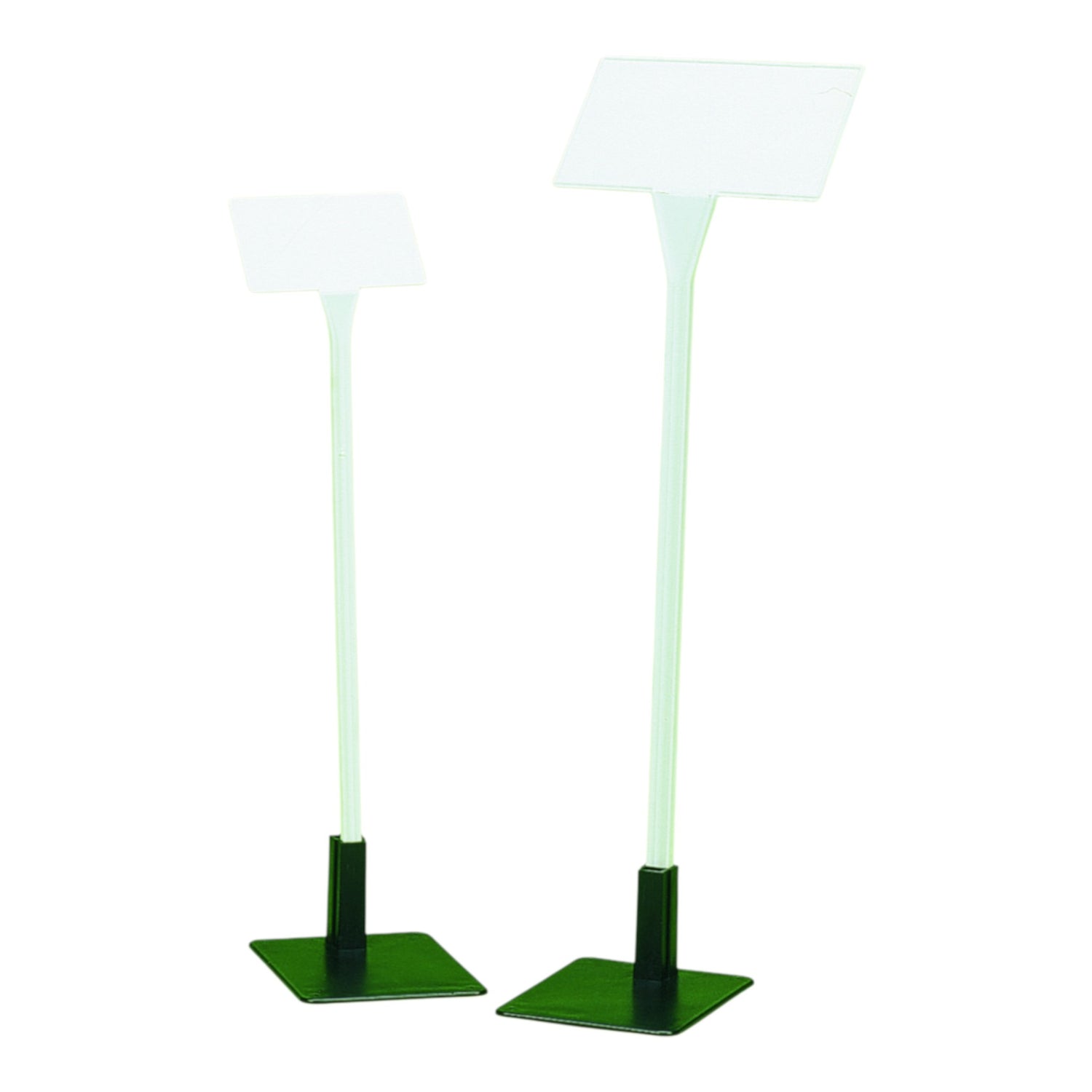
Unit price per15cm Base for Angled Head Labels for SL275, 400, 440 and 500 BLACK (Pack of 25)
Sturdy 11cm x 15cm base designed for use with angled head plant labels. Supplied in packs of 25.
£59.95
Unit price per£59.95
Unit price per
£70.78
Unit price per£70.78
Unit price per16mm irrigation elbow connector for joining two sections of compatible pipe and creating a neat 90° change of direction.
This 16mm Irrigation Elbow Connector provides a simple way to route irrigation pipework around corners and changes in direction. The two barbed connections join compatible 16mm irrigation pipe, allowing the supply line to turn through approximately 90° without having to force the pipe around a tight bend.
Ideal for hydroponic and horticultural irrigation layouts, the elbow can be used when building a new watering system, altering existing pipework or replacing an existing 16mm elbow fitting.
Why choose a 16mm Irrigation Elbow Connector?
What is a 16mm irrigation elbow used for?
A 16mm irrigation elbow is used to connect two sections of compatible 16mm irrigation pipe while changing the direction of the supply line. Rather than bending flexible pipe tightly around a corner, the elbow creates a defined turn in the irrigation layout.
It is useful for routing supply pipe around growing areas, reservoirs, benches and other equipment, as well as creating tidy irrigation layouts where the direction of the main line needs to change.
How to use a 16mm Irrigation Elbow Connector
Position the elbow where the 16mm irrigation line needs to change direction. Connect one section of compatible 16mm pipe to each barbed end, pushing the pipe securely onto the fitting to create the required elbow in the supply line.
Once the irrigation layout has been assembled, run the system and inspect both connections to make sure the pipework remains securely positioned and there are no leaks around the fitting.
Product details
| Product | 16mm Irrigation Elbow Connector |
|---|---|
| Product type | Irrigation elbow fitting |
| Pipe size | 16mm |
| Connections | 2 x 16mm |
| Connection style | Barbed |
| Configuration | 90° elbow |
| Colour | Black |
| Typical applications | Hydroponic irrigation, horticultural watering systems & 16mm supply pipework |
16mm Irrigation Elbow Connector FAQs
What is a 16mm irrigation elbow used for?
A 16mm irrigation elbow joins two sections of compatible 16mm irrigation pipe while allowing the pipework to change direction through approximately 90°.
What size pipe does this irrigation elbow fit?
Both ends of the connector are designed for compatible 16mm irrigation pipework.

Does the 16mm elbow create a 90° bend?
Yes. The elbow configuration allows the irrigation line to change direction through approximately 90°, making it useful when routing pipework around corners.
Why use an elbow instead of bending 16mm irrigation pipe?
An elbow provides a defined change of direction without requiring the irrigation pipe itself to be forced around a tight bend. This helps create a neater pipe layout and reduces the risk of restricting the line through an excessively tight bend.
Does the 16mm Irrigation Elbow have barbed connections?
Yes. The fitting has barbed ends designed to connect to compatible flexible 16mm irrigation pipe.

Can this elbow be used in hydroponic irrigation systems?

Yes. The connector is suitable for compatible hydroponic and horticultural irrigation layouts that use 16mm pipework.
Can I use several 16mm elbows in one irrigation system?
Yes. Multiple elbow connectors can be incorporated where the 16mm irrigation line needs to change direction at different points around the growing area.
Is this the same as a 16mm tee connector?
No. A 16mm elbow connects two sections of pipe and changes the direction of the line. A tee connector creates an additional branch from the irrigation supply.
16mm straight irrigation connector for joining, extending or repairing compatible 16mm supply pipework.
This 16mm Irrigation Straight Connector provides a simple way to join two lengths of compatible 16mm irrigation pipe in a continuous straight run. Its double-barbed design creates a connection point between the two sections of pipe, making it a useful fitting for both new irrigation installations and existing systems.
Use it to extend a 16mm supply line, connect separate lengths of pipe or replace a damaged section without having to replace a longer run of irrigation tubing. It is a straightforward component for hydroponic, greenhouse and general horticultural watering systems using compatible 16mm pipework.
Why choose a 16mm Irrigation Straight Connector?
What is a 16mm irrigation straight connector used for?
A 16mm straight connector, sometimes called a 16mm coupling or joiner, is used to connect two lengths of compatible 16mm irrigation pipe. Unlike an elbow or tee, it keeps the pipework running in the same direction without creating a bend or additional branch.
This makes it useful for extending irrigation supply lines, joining separate lengths of pipe and carrying out straightforward repairs. If a section of 16mm pipe becomes damaged, the affected area can be removed and a straight connector used as part of the repair.
How to use a 16mm Irrigation Straight Connector
Position the connector between the two lengths of compatible 16mm irrigation pipe that need to be joined. Push one pipe securely onto each barbed end so that the two sections form a continuous straight irrigation line.
Once the system is assembled, run the irrigation supply and inspect both sides of the connection. Make sure the pipework remains securely seated on the fitting and check for leaks before returning the system to normal operation.
Product details
| Product | 16mm Irrigation Straight Connector |
|---|---|
| Alternative names | 16mm coupling / 16mm straight joiner |
| Product type | Straight irrigation pipe connector |
| Pipe size | 16mm |
| Connections | 2 x 16mm |
| Connection style | Double barbed |
| Configuration | Straight |
| Colour | Black |
| Typical applications | Joining, extending & repairing compatible 16mm irrigation pipework |
16mm Irrigation Straight Connector FAQs
What is a 16mm irrigation straight connector?
It is a straight fitting used to join two lengths of compatible 16mm irrigation pipe together, creating a continuous run of pipework.
Is a 16mm straight connector the same as a 16mm coupling?
Yes. In horticultural irrigation, the terms straight connector, coupling and straight joiner are commonly used for fittings that connect two sections of irrigation pipe in a straight line.
What size pipe does this connector fit?
The connector is designed to join two sections of compatible 16mm irrigation pipework.
Can I use a 16mm straight connector to extend irrigation pipe?
Yes. Extending a 16mm irrigation line is one of the main uses for a straight connector. It allows another section of compatible 16mm pipe to be joined to the existing run.
Can a 16mm coupling be used to repair irrigation pipe?
Yes. Where an appropriate damaged section can be removed, a straight connector can be used to reconnect compatible 16mm pipework as part of the repair.
Does this 16mm connector have barbed ends?
Yes. The connector has a barbed connection at each end for joining compatible flexible 16mm irrigation pipe.
Can this connector be used in hydroponic irrigation systems?
Yes. It is suitable for compatible hydroponic and horticultural irrigation systems that use 16mm supply pipework.
What is the difference between a 16mm coupling, elbow and tee?
A straight coupling joins two lengths of 16mm pipe in the same direction. An elbow changes the direction of the pipework, while a tee creates an additional branch in the irrigation line.
Three-way 16mm irrigation tee connector for branching compatible 16mm supply pipework around hydroponic and horticultural watering systems.
This 16mm Irrigation Tee Connector joins three sections of compatible 16mm irrigation pipe, allowing a single supply line to split into two directions. With three equal barbed connections, it provides a simple way to create branches within an irrigation layout while keeping the same pipe size throughout.
Use it when building a new irrigation system, extending existing pipework or introducing an additional 16mm branch to supply another section of the growing area. It is a useful core fitting for hydroponic, greenhouse and general horticultural irrigation systems using 16mm pipework.
Why choose a 16mm Irrigation Tee Connector?
What is a 16mm irrigation tee used for?
A 16mm irrigation tee is used when a 16mm supply line needs to branch in another direction. Three equal connections allow compatible 16mm pipe to enter the fitting and continue through two separate outlets, creating a T-shaped junction within the irrigation system.
This makes the fitting useful for distributing water or nutrient solution around larger growing areas, connecting different sections of an irrigation layout and adding additional 16mm supply lines without changing pipe size.
How to use a 16mm Irrigation Tee Connector
Position the tee at the point where the 16mm irrigation pipework needs to branch. Connect compatible 16mm pipe to each required barbed connection, pushing the pipe securely onto the fitting.
Route the two outgoing pipe runs towards the required areas of the irrigation system. Once everything is assembled, run the system and inspect all three connections to make sure the pipework remains securely fitted and there are no leaks.
Product details
| Product | 16mm Irrigation Tee Connector |
|---|---|
| Product type | Three-way irrigation tee fitting |
| Pipe size | 16mm |
| Connections | 3 x 16mm |
| Connection style | Barbed |
| Configuration | Equal three-way tee |
| Colour | Black |
| Typical applications | Branching hydroponic, horticultural & drip irrigation supply pipework |
16mm Irrigation Tee Connector FAQs
What is a 16mm irrigation tee connector?
It is a three-way irrigation fitting used to join three sections of compatible 16mm pipe and create a branch within the supply line.
Are all three connections 16mm?
Yes. This is an equal tee with three 16mm connections, so the same compatible 16mm irrigation pipe can be used on each side of the fitting.
What size irrigation pipe does this tee fit?
The tee is designed for compatible 16mm irrigation pipework, with a 16mm connection on all three sides.
Can I use a 16mm tee to split an irrigation line?
Yes. That is the main purpose of the fitting. It allows one 16mm irrigation line to branch into two separate 16mm pipe runs.
Does this irrigation tee have barbed connections?
Yes. All three connections are barbed for use with compatible flexible 16mm irrigation pipe.
Can this tee be used in hydroponic irrigation systems?
Yes. It is suitable for compatible hydroponic and horticultural irrigation systems using 16mm supply pipework.
What is the difference between this tee and the 16mm x 3mm Dripper Line Tee?
This fitting has three equal 16mm connections and is designed to branch the main 16mm supply pipe. The 16mm x 3mm Dripper Line Tee has a smaller side connection designed for compatible dripper line with a 3mm internal diameter.
What is the difference between a 16mm tee and a straight connector?
A 16mm straight connector joins two lengths of pipe in one continuous run. A 16mm tee has three connections and introduces an additional branch into the irrigation layout.
Can I use multiple 16mm tees in one irrigation system?
Yes. Multiple tees can be used to create additional 16mm branches where required. The pump, pipework and overall irrigation layout should be appropriately sized for the number of outlets and branches being supplied.
16mm irrigation tee with a reducing side outlet for connecting 3mm internal-diameter dripper line to a 16mm main irrigation supply.
This 16mm x 3mm Dripper Line Tee Connector provides a simple way to branch an individual dripper feed from a larger irrigation supply line. The two 16mm connections sit inline with the main pipework, while the smaller side connection accepts compatible dripper line with a 3mm internal diameter.
It is a useful fitting for building hydroponic and horticultural drip irrigation systems, allowing water or nutrient solution to travel through the main 16mm supply pipe before being directed towards individual growing positions through smaller dripper lines.
Why choose a 16mm x 3mm Dripper Line Tee Connector?
What is a 16mm x 3mm dripper line tee used for?
The tee is used to take an individual dripper feed from a 16mm main irrigation line. Water or nutrient solution continues through the larger pipework while the reducing side connection allows a smaller dripper line to branch towards an individual pot, plant or growing position.
This makes the fitting particularly useful when constructing drip irrigation layouts with a 16mm supply line and separate 3mm internal-diameter dripper lines feeding individual plants.
How to use a 16mm x 3mm Dripper Line Tee Connector
Install the tee inline with the compatible 16mm irrigation supply pipe, using the two larger connections to continue the main line through the growing area. Connect compatible 3mm internal-diameter dripper line to the smaller side outlet and route it towards the required growing position.
Position the dripper line without unnecessary kinks or tight bends. Once the irrigation system has been assembled, run the pump and inspect the connection points to make sure the pipework is securely fitted and water is reaching the required feed points.
Product details
| Product | 16mm x 3mm Dripper Line Tee Connector |
|---|---|
| Product type | Reducing irrigation tee connector |
| Main line connection | 16mm |
| Dripper line connection | For 3mm internal-diameter dripper line |
| Configuration | Inline tee with reducing dripper line outlet |
| Colour | Black |
| Typical applications | Drip irrigation, hydroponic watering systems & individual plant feed lines |
16mm x 3mm Dripper Line Tee FAQs
What is a 16mm x 3mm dripper line tee?
It is an irrigation fitting designed to sit inline with 16mm supply pipe while providing a smaller side connection for compatible dripper line with a 3mm internal diameter.
What size dripper line does this tee connector take?
The smaller side connection is intended for compatible dripper line with a 3mm internal diameter.
Does this fitting connect to 16mm irrigation pipe?
Yes. The two larger connections allow the tee to sit inline with compatible 16mm irrigation pipework.
What is the smaller outlet on the irrigation tee for?
The smaller connection allows a dripper line to branch away from the main 16mm supply pipe and carry water or nutrient solution towards an individual growing position.
Can this tee be used with the 80cm Pre-Cut Dripper Line?
Yes. The fitting is suitable for connecting compatible dripper line with a 3mm internal diameter, including the 80cm pre-cut 3mm ID dripper line used within this irrigation range.
Can this fitting be used in hydroponic irrigation systems?
Yes. It is suitable for compatible hydroponic and horticultural drip irrigation systems using a 16mm main supply line with smaller dripper feeds running to individual growing positions.
Does this tee split the 16mm pipe into three 16mm lines?
No. This is a reducing tee rather than a standard three-way 16mm tee. The main irrigation supply runs through the two 16mm connections, while the smaller side connection is used for 3mm internal-diameter dripper line.
Can I use several of these tees along one 16mm irrigation line?
Yes. Multiple tee connectors can be positioned along a compatible 16mm irrigation layout to create separate dripper feeds for multiple growing positions. The overall irrigation system still needs to be appropriately sized for the number of outlets being supplied.