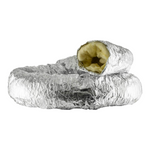
What is acoustic ducting?
Acoustic ducting is insulated flexible ventilation duct designed to help absorb and reduce sound transmitted through an extraction or intake system.

Commercial Products
Commercial Products
 Professional Growing Media
 Plant Nutrition
 Plant Health
 Sprayers & Protective Clothing
 Pots, Planters & Trays
 Propagation
 Baskets & Planters
 Fabrics & Netting
 Environment
 Plant Lighting
 Irrigation
 Plant Support & Tree Care
 Equipment
 Tools
Tools
 Plant Labels
 Packaging
 Lawn Care
 Clearance
Retail Products
Retail Products
 Growing Media
 Plant Nutrition
 Plant Health
 Pots, Planters & Tanks
 Propagation
 Baskets & Planters
 Fabrics & Netting
 Environment
 Plant Lighting
 Plant Support
 Equipment
 Tools
Tools

£17.50
Unit price perEstimated delivery between October 03 and October 05.
254mm (10") x 10m Acoustic Ducting is an insulated flexible ventilation duct designed to help reduce fan and airflow noise transmitted through high-capacity extraction and intake systems.
Powerful ventilation equipment can generate noise from both the fan itself and the movement of air through the system. Standard uninsulated ducting can allow this sound to travel along the ventilation route, while acoustic ducting incorporates an insulating layer around the inner duct to help absorb transmitted noise.
This makes it particularly useful for indoor horticulture, propagation areas, commercial growing areas and controlled growing environments where ventilation equipment may operate for extended periods and controlling unnecessary noise is important.
Supplied in a generous 10 metre length with a nominal 254mm / 10" diameter, it can be connected to compatible fans, carbon filters and ventilation fittings. Its flexible construction allows the duct to be routed around equipment and cut into the exact lengths required for the installation.
Noise within a ventilation system can come from the fan motor, vibration and turbulent air moving through the ductwork. Some of this sound can travel along ordinary flexible duct and become noticeable elsewhere in the installation.
Acoustic ducting surrounds the flexible inner airflow passage with insulation designed to absorb transmitted sound. This helps reduce the amount of fan and airflow noise travelling through the ventilation route.
It can be particularly useful around extraction fans, between compatible fans and carbon filters, and along longer sections of ductwork where transmitted ventilation noise needs to be controlled.
Acoustic ducting is intended to reduce transmitted noise rather than make a ventilation system completely silent. Fan design, fan speed, airflow velocity, vibration and installation quality all contribute to the final noise level.
Effective ventilation is important for managing temperature, humidity and air exchange within indoor growing environments. Higher-capacity extraction and intake equipment can, however, become a significant source of environmental-control noise.
Acoustic ducting provides a practical way to reduce sound transmission while maintaining the flexibility needed to connect ventilation equipment and route air through the installation.
The 254mm / 10" size is suitable for compatible higher-capacity ventilation systems using appropriately sized inline fans, carbon filters, connectors and other round duct fittings.
The 10m length is particularly useful for larger growing areas, longer ventilation routes or installations requiring several separate sections of acoustic ducting.
Correct duct installation is important for maintaining ventilation performance. Flexible ducting should be extended sufficiently rather than left heavily compressed, helping create a smoother internal path for moving air.
Keep the duct route as short and direct as practical. Tight bends, crushed sections and unnecessary changes in direction create additional resistance and can reduce the effective airflow delivered by the fan.
Where the duct needs to change direction, use gradual bends wherever possible. Although this product provides 10 metres of ducting, there is no need to use the entire length in one continuous run.
Cutting each section to the length actually required can help minimise unnecessary airflow resistance while leaving the remaining duct available for other parts of the ventilation installation.
Before installation, check that the fan, carbon filter and other ventilation components have compatible nominal 254mm / 10" connections.
Fit the flexible inner duct securely over the ventilation connection and fasten it using a suitably sized duct clamp or appropriate fixing. HVAC foil tape can also be used where additional sealing is required.
Arrange the surrounding insulation and outer covering neatly around the completed connection so that the acoustic layer remains as continuous as practical.
Larger insulated ducting should be supported appropriately rather than allowing its full weight to hang directly from a fan, carbon filter or connecting fitting.
Check the actual connection diameter of individual ventilation components before installation, as nominal sizes and connection dimensions can vary between manufacturers.
| Product type | Insulated acoustic flexible ducting |
|---|---|
| Nominal diameter | 254mm / 10" |
| Length | 10m |
| Duct type | Flexible |
| Construction | Acoustically insulated flexible ventilation duct |
| Primary purpose | Air movement with reduced transmission of ventilation noise |
| Suitable airflow | Extraction & intake |
| Compatible system size | Nominal 254mm / 10" round ventilation systems |
| Suitable applications | Indoor horticulture, propagation areas, commercial growing areas, controlled growing environments & compatible ventilation installations |
Acoustic ducting is insulated flexible ventilation duct designed to help absorb and reduce sound transmitted through an extraction or intake system.
This version has a nominal diameter of 254mm, equivalent to 10 inches, and is supplied in a 10 metre length.
Yes, provided the fan has a compatible nominal 254mm / 10" duct connection.
Yes. It can be used with compatible 254mm / 10" carbon filters and extraction fans as part of an appropriately sized ventilation system.
It helps reduce fan and airflow sound transmitted along the ductwork. It does not completely eliminate noise generated directly by the fan.
Its insulating layer is specifically intended to absorb transmitted sound, making it useful where reducing ventilation noise is important.
Yes. It is well suited to indoor horticultural ventilation systems where temperature, humidity and air exchange need to be managed while keeping transmitted ventilation noise under control.
Yes. Acoustic ducting can be incorporated into compatible intake as well as extraction systems.
Yes. It can be cut to suit the required ventilation route or divided into several individual sections.
No. Use only the amount required for the installation. Keeping duct routes reasonably short and direct generally helps minimise unnecessary airflow resistance.
It should be extended sufficiently for the installation rather than left unnecessarily compressed. This helps create a smoother internal path for airflow.
Yes. Tight bends increase resistance and turbulence, so smooth and gradual changes in direction are preferable wherever possible.
Every length of duct introduces some resistance. Longer runs, multiple bends and additional fittings can therefore reduce the effective airflow of a ventilation system.
Longer sections should be supported at suitable intervals so that their weight is not carried entirely by the fan, filter or connecting fittings.
Correct fan sizing, sensible duct routing, vibration isolation, suitable fan-speed control and ventilation silencers can be combined with acoustic ducting to create a quieter overall system.
£17.50
Unit price perBack in Stock
Sign up to be the first to know when it's back in stock.
254mm (10") x 10m Acoustic Ducting is an insulated flexible ventilation duct designed to help reduce fan and airflow noise transmitted through high-capacity extraction and intake systems.
Powerful ventilation equipment can generate noise from both the fan itself and the movement of air through the system. Standard uninsulated ducting can allow this sound to travel along the ventilation route, while acoustic ducting incorporates an insulating layer around the inner duct to help absorb transmitted noise.
This makes it particularly useful for indoor horticulture, propagation areas, commercial growing areas and controlled growing environments where ventilation equipment may operate for extended periods and controlling unnecessary noise is important.
Supplied in a generous 10 metre length with a nominal 254mm / 10" diameter, it can be connected to compatible fans, carbon filters and ventilation fittings. Its flexible construction allows the duct to be routed around equipment and cut into the exact lengths required for the installation.
Noise within a ventilation system can come from the fan motor, vibration and turbulent air moving through the ductwork. Some of this sound can travel along ordinary flexible duct and become noticeable elsewhere in the installation.
Acoustic ducting surrounds the flexible inner airflow passage with insulation designed to absorb transmitted sound. This helps reduce the amount of fan and airflow noise travelling through the ventilation route.
It can be particularly useful around extraction fans, between compatible fans and carbon filters, and along longer sections of ductwork where transmitted ventilation noise needs to be controlled.
Acoustic ducting is intended to reduce transmitted noise rather than make a ventilation system completely silent. Fan design, fan speed, airflow velocity, vibration and installation quality all contribute to the final noise level.
Effective ventilation is important for managing temperature, humidity and air exchange within indoor growing environments. Higher-capacity extraction and intake equipment can, however, become a significant source of environmental-control noise.
Acoustic ducting provides a practical way to reduce sound transmission while maintaining the flexibility needed to connect ventilation equipment and route air through the installation.
The 254mm / 10" size is suitable for compatible higher-capacity ventilation systems using appropriately sized inline fans, carbon filters, connectors and other round duct fittings.
The 10m length is particularly useful for larger growing areas, longer ventilation routes or installations requiring several separate sections of acoustic ducting.
Correct duct installation is important for maintaining ventilation performance. Flexible ducting should be extended sufficiently rather than left heavily compressed, helping create a smoother internal path for moving air.
Keep the duct route as short and direct as practical. Tight bends, crushed sections and unnecessary changes in direction create additional resistance and can reduce the effective airflow delivered by the fan.
Where the duct needs to change direction, use gradual bends wherever possible. Although this product provides 10 metres of ducting, there is no need to use the entire length in one continuous run.
Cutting each section to the length actually required can help minimise unnecessary airflow resistance while leaving the remaining duct available for other parts of the ventilation installation.
Before installation, check that the fan, carbon filter and other ventilation components have compatible nominal 254mm / 10" connections.
Fit the flexible inner duct securely over the ventilation connection and fasten it using a suitably sized duct clamp or appropriate fixing. HVAC foil tape can also be used where additional sealing is required.
Arrange the surrounding insulation and outer covering neatly around the completed connection so that the acoustic layer remains as continuous as practical.
Larger insulated ducting should be supported appropriately rather than allowing its full weight to hang directly from a fan, carbon filter or connecting fitting.
Check the actual connection diameter of individual ventilation components before installation, as nominal sizes and connection dimensions can vary between manufacturers.
| Product type | Insulated acoustic flexible ducting |
|---|---|
| Nominal diameter | 254mm / 10" |
| Length | 10m |
| Duct type | Flexible |
| Construction | Acoustically insulated flexible ventilation duct |
| Primary purpose | Air movement with reduced transmission of ventilation noise |
| Suitable airflow | Extraction & intake |
| Compatible system size | Nominal 254mm / 10" round ventilation systems |
| Suitable applications | Indoor horticulture, propagation areas, commercial growing areas, controlled growing environments & compatible ventilation installations |
Acoustic ducting is insulated flexible ventilation duct designed to help absorb and reduce sound transmitted through an extraction or intake system.
This version has a nominal diameter of 254mm, equivalent to 10 inches, and is supplied in a 10 metre length.
Yes, provided the fan has a compatible nominal 254mm / 10" duct connection.
Yes. It can be used with compatible 254mm / 10" carbon filters and extraction fans as part of an appropriately sized ventilation system.
It helps reduce fan and airflow sound transmitted along the ductwork. It does not completely eliminate noise generated directly by the fan.
Its insulating layer is specifically intended to absorb transmitted sound, making it useful where reducing ventilation noise is important.
Yes. It is well suited to indoor horticultural ventilation systems where temperature, humidity and air exchange need to be managed while keeping transmitted ventilation noise under control.
Yes. Acoustic ducting can be incorporated into compatible intake as well as extraction systems.
Yes. It can be cut to suit the required ventilation route or divided into several individual sections.
No. Use only the amount required for the installation. Keeping duct routes reasonably short and direct generally helps minimise unnecessary airflow resistance.
It should be extended sufficiently for the installation rather than left unnecessarily compressed. This helps create a smoother internal path for airflow.
Yes. Tight bends increase resistance and turbulence, so smooth and gradual changes in direction are preferable wherever possible.
Every length of duct introduces some resistance. Longer runs, multiple bends and additional fittings can therefore reduce the effective airflow of a ventilation system.
Longer sections should be supported at suitable intervals so that their weight is not carried entirely by the fan, filter or connecting fittings.
Correct fan sizing, sensible duct routing, vibration isolation, suitable fan-speed control and ventilation silencers can be combined with acoustic ducting to create a quieter overall system.
Pay with
Your transaction is protected with advanced security measures to keep your information confidential
£17.50
Unit price per